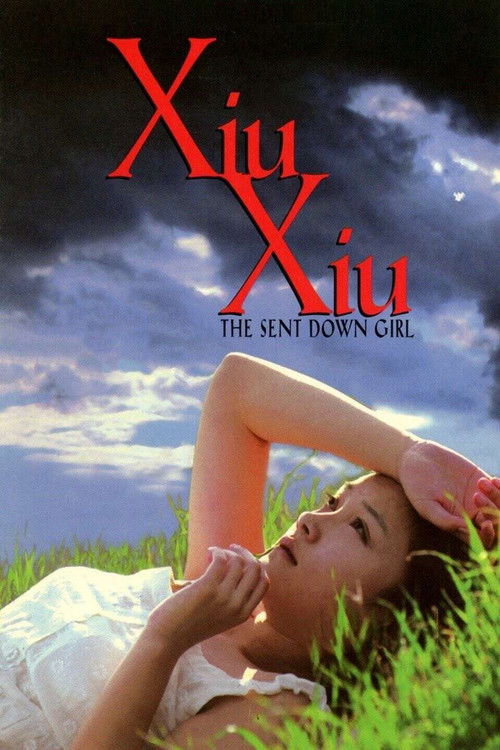
Xiu Xiu: The Sent-Down Girl
1998
No user ratings available yet
Representation score: 7.2 out of 10
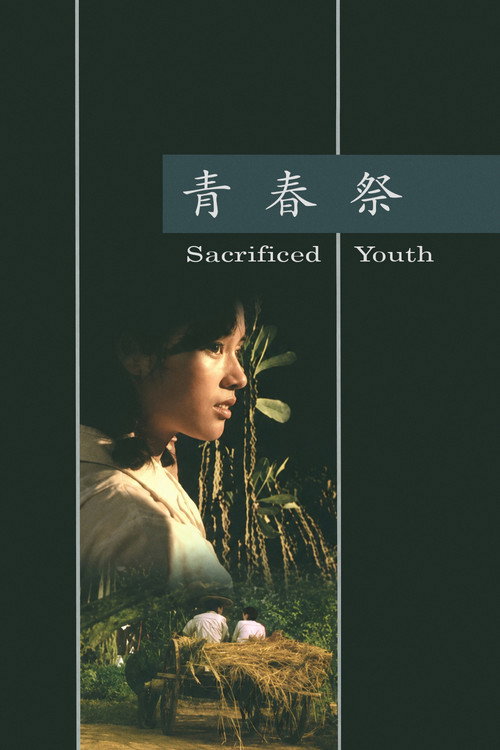
Representation Score
Good
1985
Director
Zhang Nuanxin
Runtime
92 minutes
Average Rating
No ratings yetNew Showbiz Analysis
Sacrificed Youth stands out as a sophisticated historical drama that leverages the Fifth Generation's focus on psychological depth. By centering a female protagonist and the experiences of the Dai people, the film successfully disrupts the monolithic social structures typical of its era. The narrative structure favors individual ability to act and cross-cultural exchange. It moves away from didactic storytelling to explore how a young woman redefines her outlook amidst systemic political pressures. While the film lacks explicit LGBTQ+ representation, its commitment to ethnic plurality and female autonomy provides a progressive lens on a complex historical period.
Category Breakdown
The story focuses on social reintegration and personal growth. There is no visible evidence of LGBTQ+ ability to act or non-straight identities within the story.
The film centers on a female protagonist's internal evolution. It emphasizes her intellectual and emotional autonomy rather than traditional domestic or submissive roles.
The story highlights the Dai people, providing a platform for non-Han perspectives. This cross-cultural exchange avoids the homogeneity often found in mainstream historical dramas.
The film explores personal liberation during the Cultural Revolution. It prioritizes subjective experience over rigid adherence to state or institutional dogma.
There is no evidence regarding the portrayal of physical or neurodivergent disabilities in this work.
Present on Screen
Limited or Absent
Official Synopsis
A young girl from the city is sent out to work in a village of Dai people in China's cultural revolution. Here she learns to enjoy being young and gains a new outlook on life.
1998

1994
1987
1985
2009

2005
2010
2017
No reviews yet. Be the first to share your thoughts on this movie!
Use the rating form above to leave a star rating and optional review.