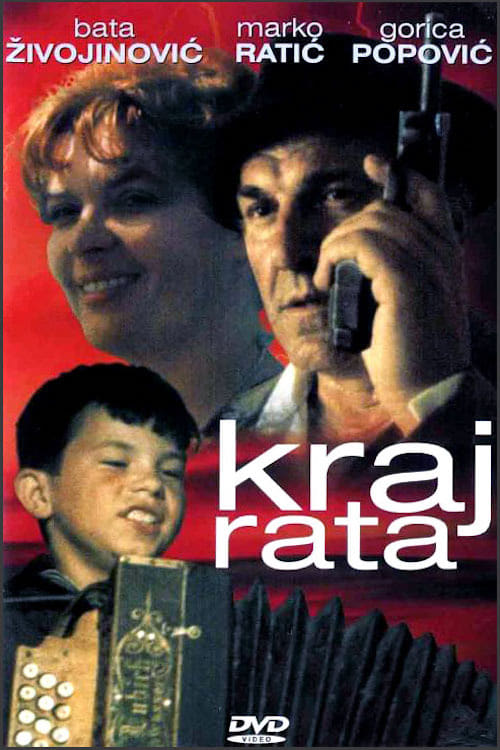
The End of War
1984
No user ratings available yet
Representation score: 6.1 out of 10
Representation Score
Limited
1956
Director
Branko Bauer
Runtime
101 minutes
Average Rating
No ratings yetNew Showbiz Analysis
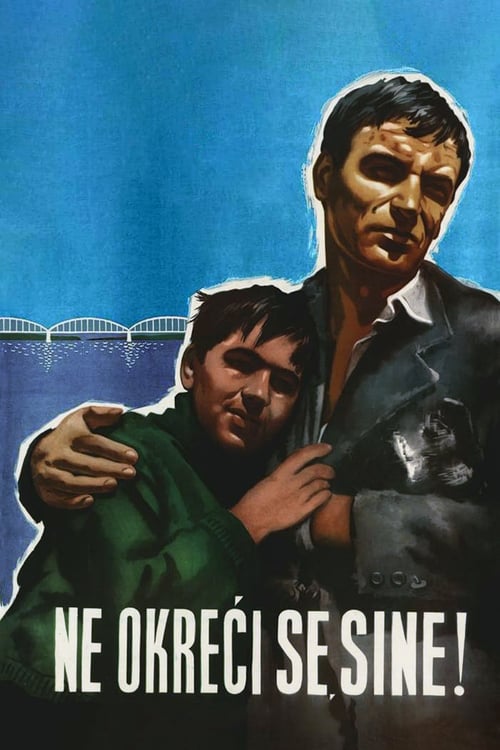
Branko Bauer’s drama serves as a significant historical document that challenges mid-century hierarchies. Its strength lies in the subversion of state authority and the critique of nationalist indoctrination. However, it lacks modern markers like explicit LGBTQ+ or disability representation. Ultimately, the work functions as an anti-authoritarian critique, using the personal conflict of a fugitive father to dismantle the idea of a stabilizing, monolithic state.
Category Breakdown
The film does not include any LGBTQ+ characters or non-assuming gender matches what was assigned at birth identities. The story centers on the political and familial tension between a father and his son.
The narrative revolves around a patriarchal conflict between Neven and Zoran. While the protagonist challenges traditional leadership roles, the film remains focused on male-driven political action.
The film critiques ethnic nationalism by focusing on a protagonist who exists outside the dominant fascist identity. It highlights the ethnic tensions of the Yugoslav theater during WWII.
The film strongly criticizes oppressive state institutions and fascist indoctrination. It portrays the system as a corrupting force that tries to reshape the morality of young people.
There is no documented evidence regarding the portrayal of physical or neurodivergent disabilities in this work.
Present on Screen
Limited or Absent
Official Synopsis
Engineer and leftist illegal Neven Novak runs away from a train in which Ustashas transport their prisoners to the prison camp Jasenovac. He returns to Zagreb and tries to save his son Zoran from an orphanage. During his stay in the orphanage, Zoran was indoctrinated with fascist ideology. When he realizes that his father is an enemy of the regime, he refuses to escape with Zoran to the Partisans' territory. Novak faces his son's antagonism and the police that chase after them.
1984

1969

1966
1945
1974
1946

2015
1964
No reviews yet. Be the first to share your thoughts on this movie!
Use the rating form above to leave a star rating and optional review.