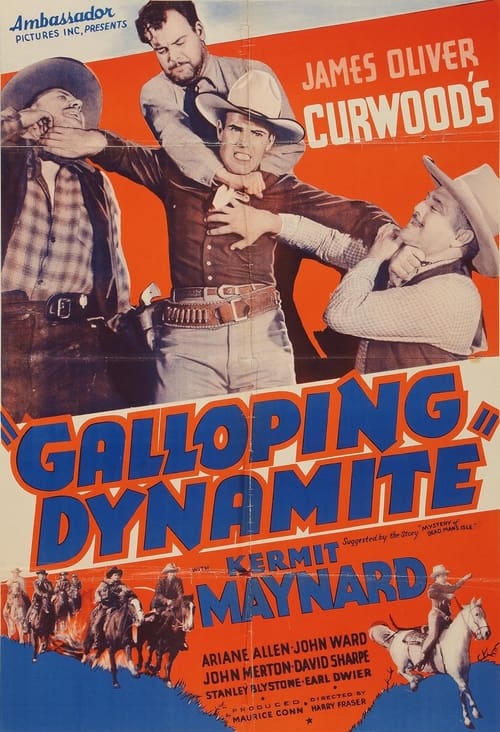
Galloping Dynamite
1937
No user ratings available yet
Diversity score: 2.3 out of 10
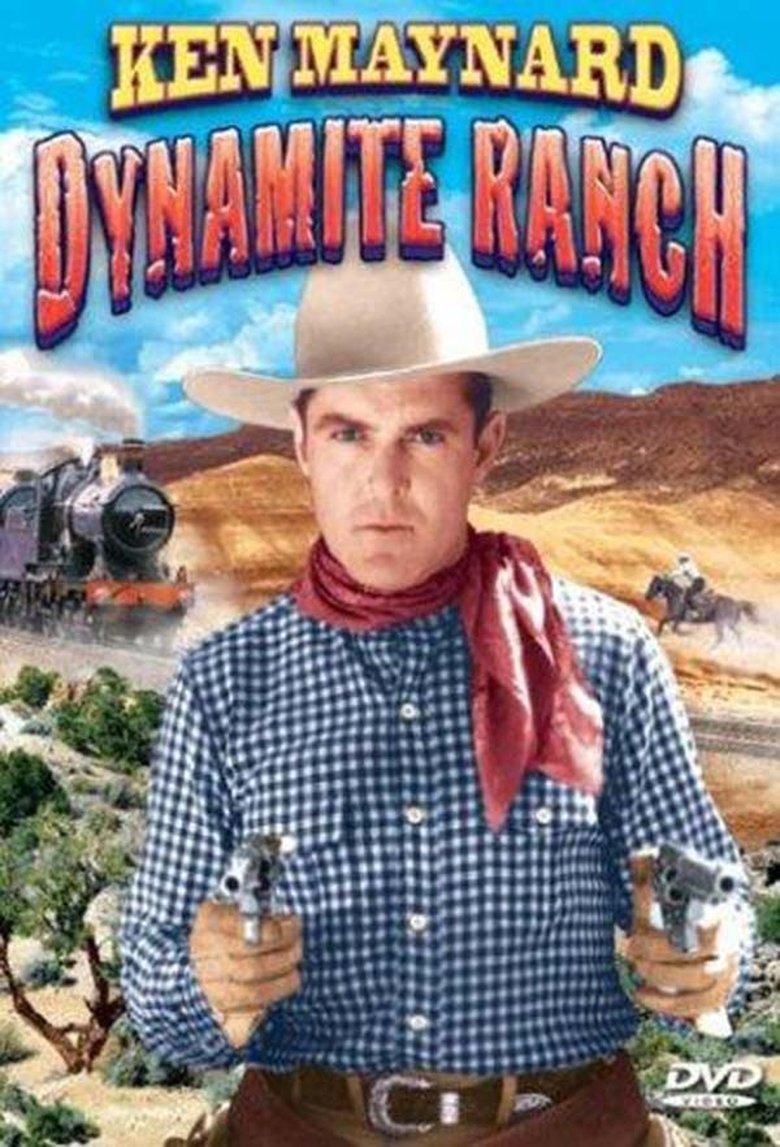
1932
PassedDirector
Forrest Sheldon
Runtime
59 minutes
Average Rating
No ratings yetSynopsis
Howell breaks up a train robbery only to find that it's a fake. However the money is missing and he is blamed. He escapes and sets out to find the real thieves. He must also avoid being caught visiting the Collins ranch to see Doris.
Overall Score
Limited
Category Breakdown
LGBTQ+ Representation
The film focuses on a traditional heteronormative romance between Howell and Doris. There is no evidence of non-cisnormative identities or queer perspectives.
Gender Representation
Agency is centralized in the male protagonist, Howell, who drives the plot through action. Doris serves primarily as a motivation for his journey rather than an active agent.
Racial & Ethnic Diversity
The narrative aligns with early Western tropes that typically centered on Anglo-Saxon perspectives. There is no evidence of diverse casting or non-white characters with agency.
Religious & Cultural Diversity
The story follows a classic Western framework centered on individualist morality and restorative justice. It emphasizes protecting reputation and property through traditional means.
Disability Representation
The film provides no information regarding the depiction of physical or neurodivergent characters.
Strengths
Areas for Improvement
AI Analysis
Dynamite Ranch is a standard early 1930s Western that adheres strictly to the genre's established social and narrative hierarchies. The plot follows a masculine hero's journey, where the male lead navigates external threats and crime to clear his name. Representation is limited by the era's conventions. The film reinforces traditional gender roles and heteronormative structures, with female characters serving as secondary motivations rather than independent actors. The narrative lacks any intentional disruption of the period's standard archetypes. Ultimately, the film functions as a conventional genre piece. It prioritizes traditional Western themes of vigilantism and individual morality over diverse or intersectional storytelling.
1937

1935
1933
1935
1937
1942
1943
1941
1937
1938
1922
1933
No reviews yet. Be the first to share your thoughts on this movie!
Use the rating form above to leave a star rating and optional review.