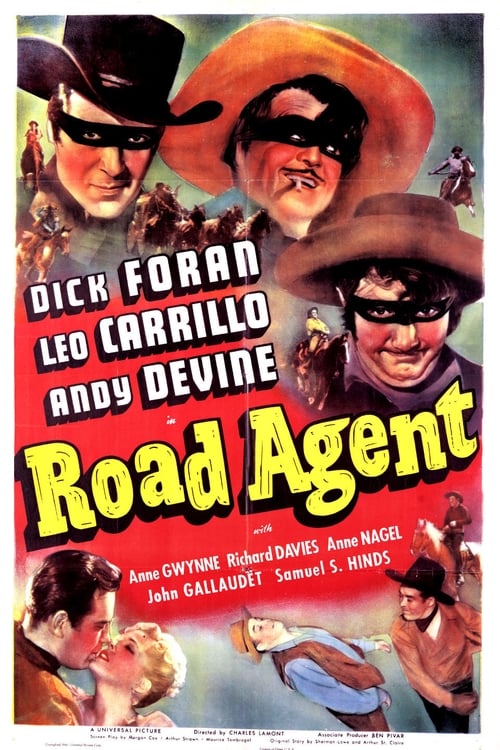
Road Agent
1941
No user ratings available yet
Representation score: 1.1 out of 10
Representation Score
Minimal
1943
ApprovedDirector
John English
Runtime
56 minutes
Average Rating
No ratings yetNew Showbiz Analysis
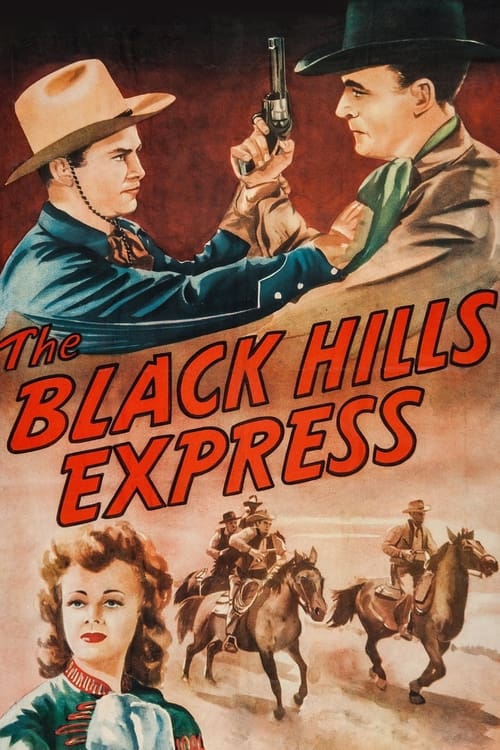
Black Hills Express is a traditional 1940s Western that adheres strictly to the genre conventions of its time. The narrative centers on a man clearing his name and a deputy uncovering a criminal conspiracy involving local officials. The film does not offer storytelling that reflects multiple aspects of identity or narrative subversion. It relies on established formulas that prioritize masculine-driven plots and homogeneous casting, offering little representation for underrepresented identities. Ultimately, the work serves as a standard morality tale. It reinforces existing social hierarchies rather than challenging them through diverse character perspectives.
Category Breakdown
The film does not include any LGBTQ+ characters or stories that go beyond the assumption that everyone is straight or cisgender. It follows the conventions of 1940s cinema.
The story revolves around male characters seeking justice. A humorous deputy adds some levity, but women do not seem to have much influence or authority.
The film reflects the era's racial hierarchies. It likely features a mostly white cast without diverse ethnic characters who play significant roles.
The story is a typical Western tale focused on restoring justice. It upholds traditional views of law and order through a classic Western framework.
There is no mention of characters with visible or invisible disabilities. No information is available to assess this category.
Present on Screen
Limited or Absent
Official Synopsis
A man framed for a series of Wells' Fargo stage robberies and a comical sheriff's deputy join forces to uncover the real robbers, unaware that a U.S. Marshal assigned to the case and the Mayor of the town which is at the center of the robberies, are the leaders of the gang.
1941
1942
1942
1941
1942

1940
1950
1931
No reviews yet. Be the first to share your thoughts on this movie!
Use the rating form above to leave a star rating and optional review.