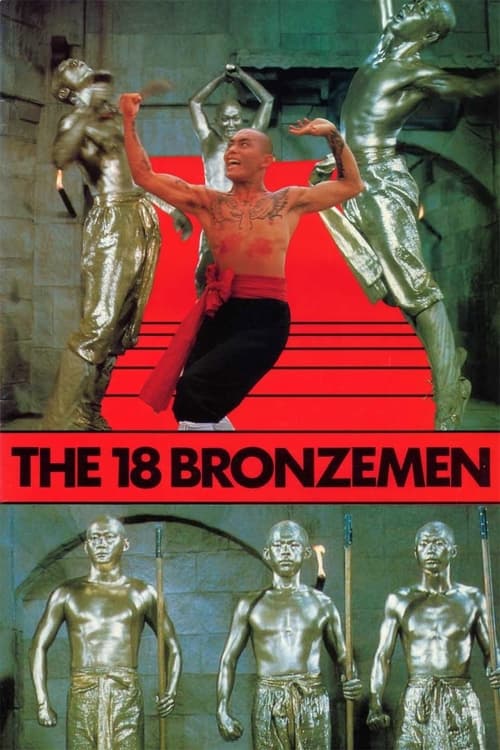
The 18 Bronzemen
1976
No user ratings available yet
Representation score: 2.6 out of 10
Representation Score
Fair
1976
Director
Joseph Kuo
Runtime
93 minutes
Average Rating
No ratings yetNew Showbiz Analysis
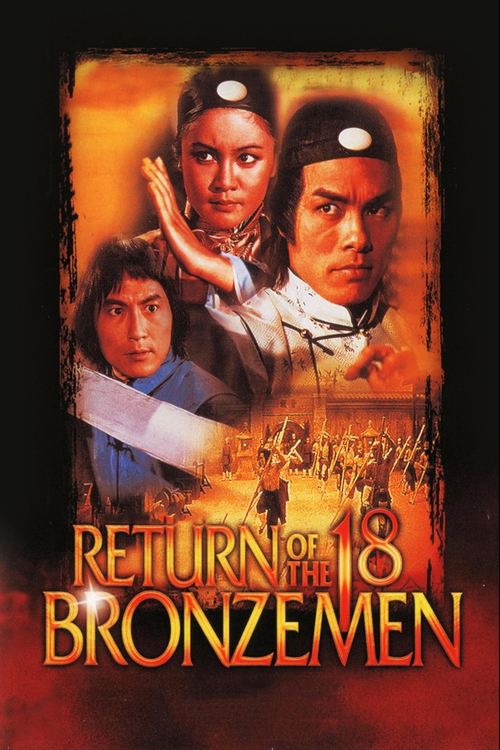
Return of the 18 Bronzemen is a genre-driven work that prioritizes traditional martial arts heroism over modern social deconstruction. The film's strength lies in its exploration of ethnic identity and the friction between an occupying force and a native population. However, the narrative structure heavily relies on traditional masculine archetypes. The core conflicts are driven by male-centric hierarchies of strength and political authority, leaving little room for diverse gender or sexual representation. Ultimately, the film serves as a study of political legitimacy and cultural resistance, utilizing the Shaolin Temple as a symbol of sovereignty against Manchu rule.
Category Breakdown
The film focuses on political intrigue and martial arts mastery within a monastic setting. There are no LGBTQ+ characters or representations of non-straight relationships.
The plot centers on a power struggle defined by masculine archetypes of leadership and combat. Female characters appear only as supporting figures within these masculine hierarchies.
The narrative explores the tension between the Manchu ruling class and the Han Chinese population. This provides a layer of ethnic ability to act through the lens of cultural preservation.
The story engages with themes of institutional corruption and the subversion of authority. It remains rooted in traditional martial arts morality and historical period clichés.
There is no evidence that disability or neurodivergence plays a role in the character development or narrative arc.
Present on Screen
Limited or Absent
Official Synopsis
Despite the national resistance, the Manchurians have taken over China, but the Ching Emperor fears that the Shaolin Temple disciples would overthrow the dynasty. So he disguises himself as a disciple, in order to become a kung fu master and control the Shaolin monks. But according to custom, he must pass the test of the legendary 18 Bronzemen before he can leave the Temple.
1976
1987
1972

1978
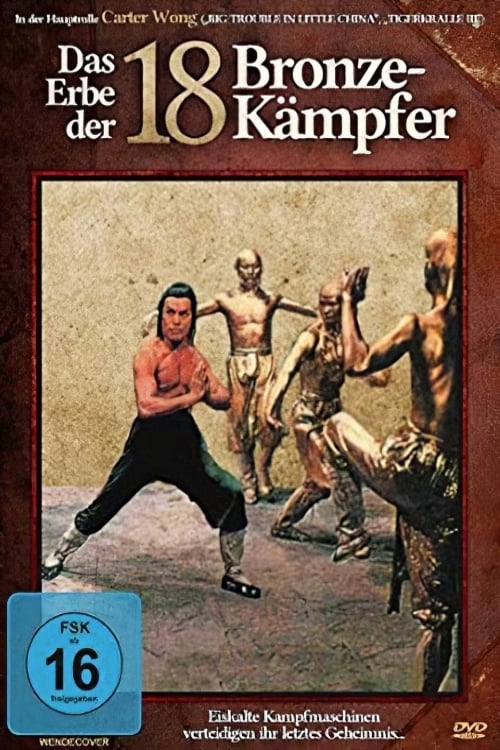
1976
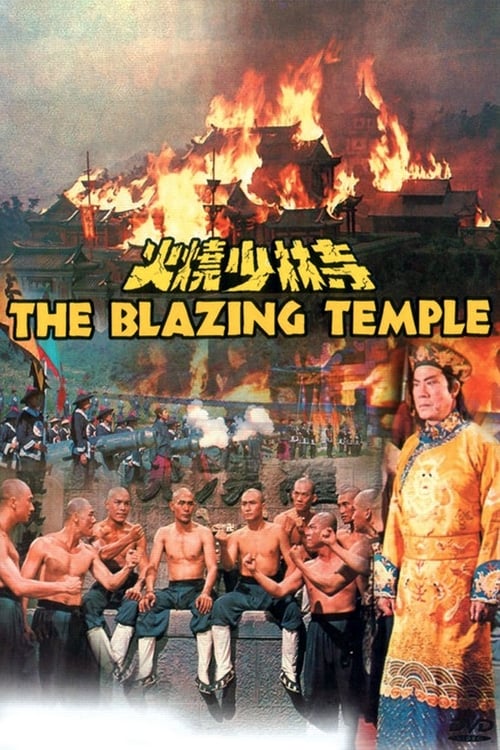
1976
1983
1974
No reviews yet. Be the first to share your thoughts on this movie!
Use the rating form above to leave a star rating and optional review.