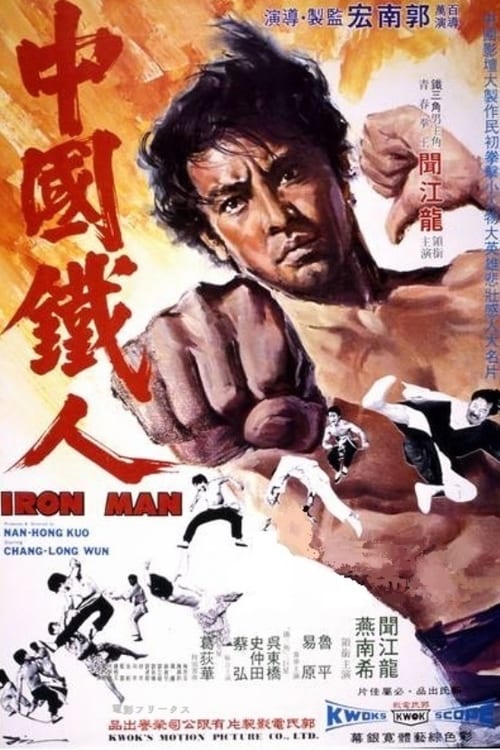
Iron Man
1973
No user ratings available yet
Diversity score: 5.3 out of 10
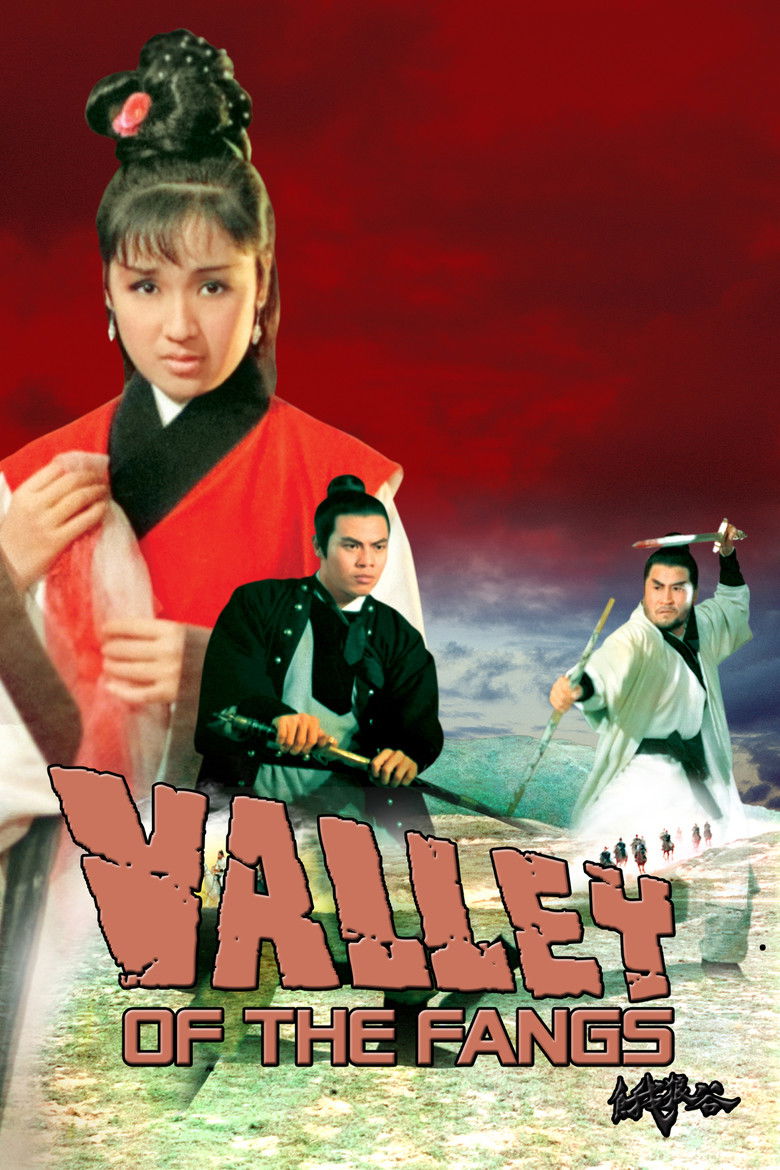
1970
PG-13Director
Jeong Chang-hwa
Runtime
90 minutes
Average Rating
No ratings yetSynopsis
Intrigue in the court means that the wife and daughter of framed scholar Sung have to travel to the capital in disguise, as court agents hunt them down. A righteous swordsman and a group of kiln workers get caught up in the action.
Overall Score
Fair
Category Breakdown
LGBTQ+ Representation
The film adheres to standard social frameworks of its era. There is no evidence of non-cisnormative gender identities or same-sex intimacy within the narrative.
Gender Representation
Female characters like the scholar's wife and daughter show resilience through endurance. However, their agency remains largely reactive to the male-dominated court and the righteous swordsman.
Racial & Ethnic Diversity
As a domestic South Korean production, the film presents a culturally homogeneous cast. This reflects the authentic social reality and ethnic specificity of the 1970s setting.
Religious & Cultural Diversity
The story explores friction between the peasantry and centralized authority. It provides a nuanced view of socioeconomic struggle by centering on marginalized kiln workers and political corruption.
Disability Representation
There is no documented evidence regarding the portrayal of physical or neurodivergent disabilities in this film.
Strengths
Areas for Improvement
AI Analysis
Valley of the Fangs is a period-specific social melodrama that excels in cultural authenticity. By focusing on internal class dynamics and the struggle of the working class against institutional corruption, it offers a grounded look at 1970s South Korean social hierarchies. However, the film is limited by the traditional cinematic tropes of its time. The narrative remains tethered to heteronormative expectations and patriarchal structures, where female strength is defined by survival rather than subversion. Ultimately, the film's value lies in its depiction of socioeconomic tension. While it lacks modern intersectional complexity, it provides a clear window into the era's specific cultural and class-based realities.
1973
1970
1973
1967
1970
1967
1969
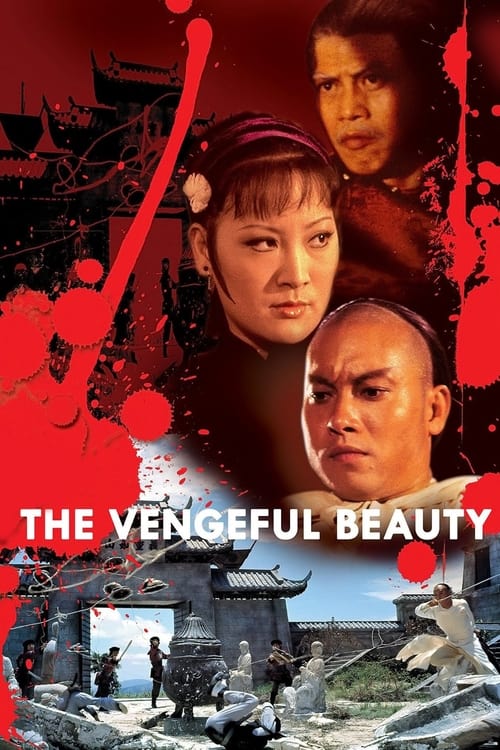
1978
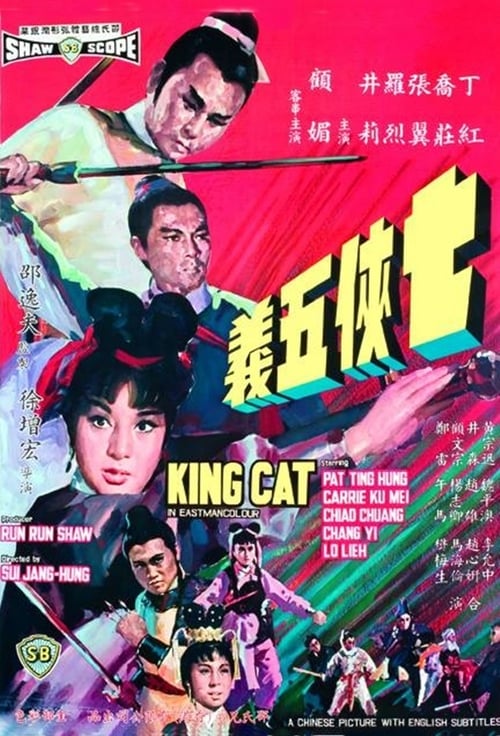
1967
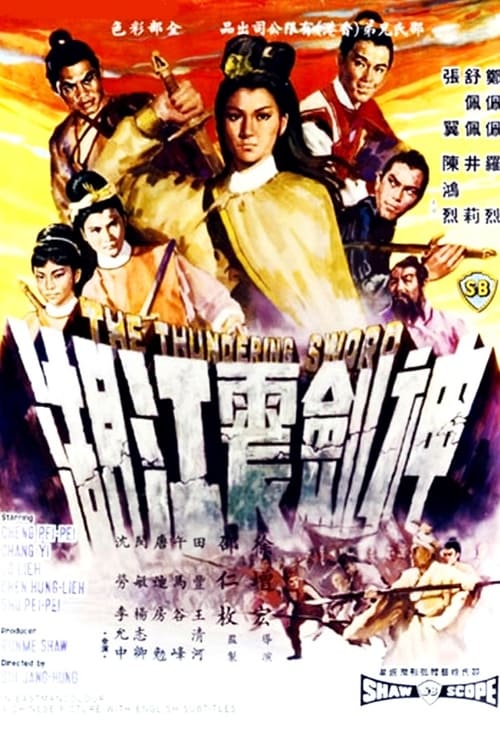
1967
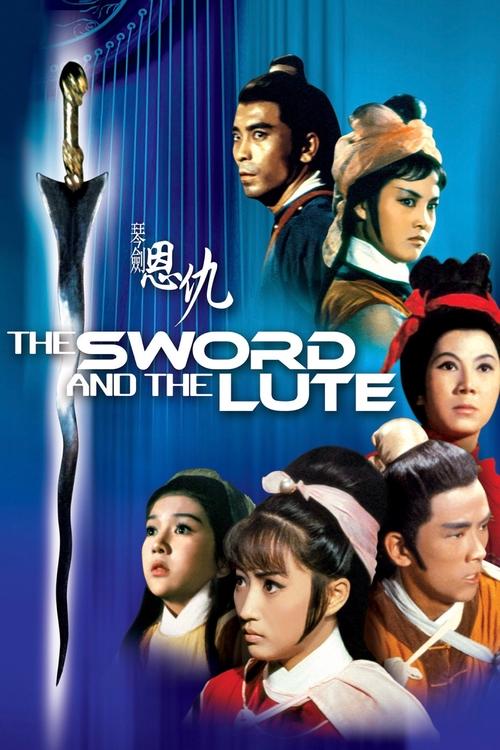
1967

1969
No reviews yet. Be the first to share your thoughts on this movie!
Use the rating form above to leave a star rating and optional review.