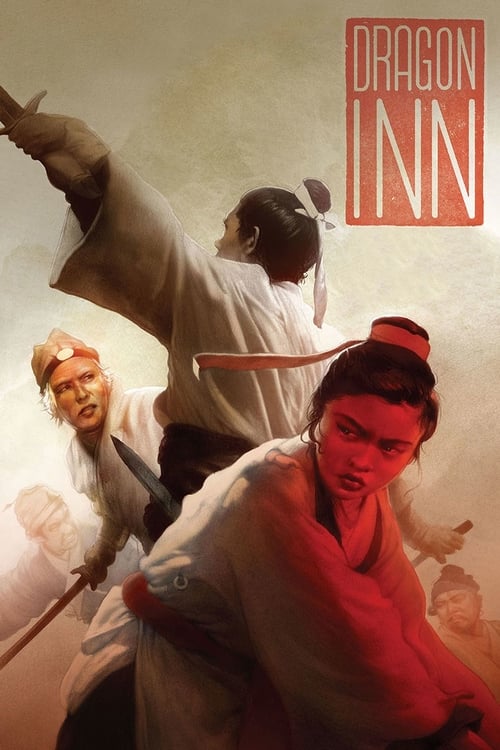
Dragon Inn
1967
No user ratings available yet
Representation score: 4.2 out of 10
Representation Score
Good
1973
Director
King Hu
Runtime
105 minutes
Average Rating
No ratings yetNew Showbiz Analysis
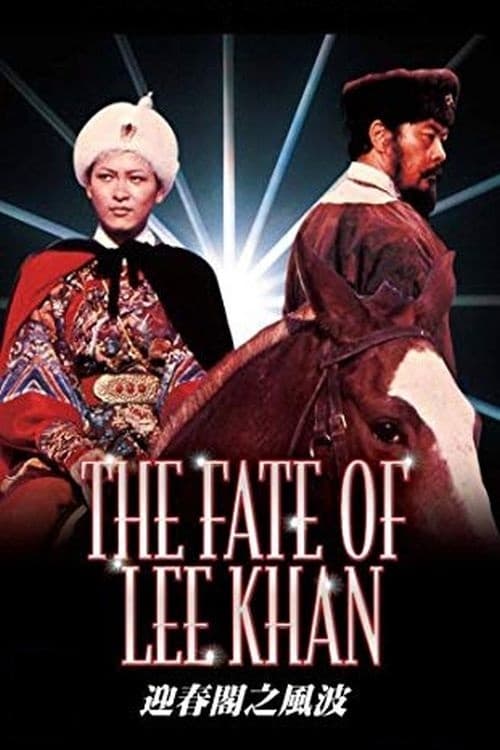
King Hu’s work elevates the wuxia genre by centering women's ability to drive the story within high-stakes action. While the film adheres to 13th-century social structures, its female protagonists possess a level of combat proficiency that disrupts traditional gender hierarchies. The film's diversity is limited by its historical focus, lacking LGBTQ+ or disability representation. However, it offers a nuanced look at ethnic tension between Mongol rulers and the Chinese people. Ultimately, the film succeeds by using the martial arts code to critique centralized imperial authority, providing a sophisticated narrative framework for its era.
Category Breakdown
The film focuses on political espionage and factional conflict within the Yuan Dynasty. There is no visible representation of LGBTQ+ identities or same-sex romance.
Highly skilled female martial artists provide significant physical ability to act. These characters challenge submissive feminine stereotypes through their combat proficiency and tactical decision-making.
Casting is predominantly Han Chinese, reflecting the historical setting. The plot explores ethnic friction between the Mongol ruling class and the Chinese populace.
The narrative prioritizes the decentralized honor of the martial arts world over imperial law. It portrays the Yuan administration as a source of corruption.
Physical prowess is the primary currency for all characters. There is no representation of neurodivergent or sensory-impaired individuals in the story.
Present on Screen
Limited or Absent
Official Synopsis
Lee Khan, a high official under Mongolian Emperor Yuan of the Yuan dynasty procures the battle map of the Chinese rebel Chu Yuan-Chang's army. Rebel spies, aided by treachery within Khan's ranks, strive to corner him in an inn.
1967
1966
1979

1978
1978
1977

1968
1969
No reviews yet. Be the first to share your thoughts on this movie!
Use the rating form above to leave a star rating and optional review.