Taste of Life
1988
No user ratings available yet
Representation score: 4.5 out of 10
Representation Score
Fair
1960
PGDirector
Marco Ferreri
Runtime
86 minutes
Average Rating
No ratings yetNew Showbiz Analysis
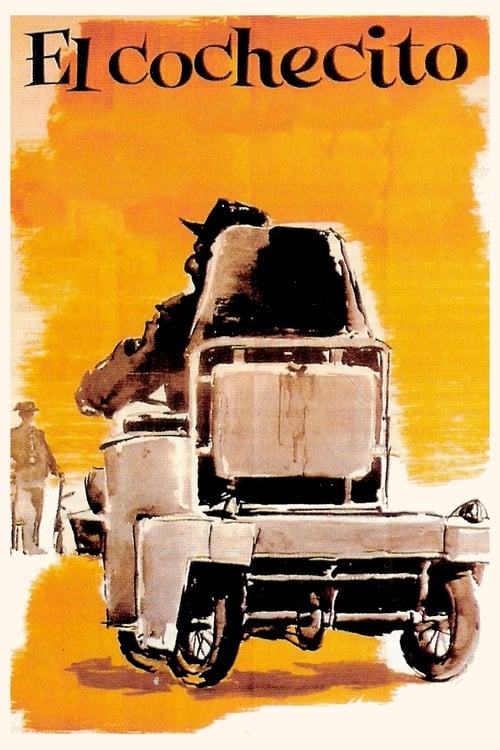
The film stands out with its detailed exploration of disability, using a motorized stroller as a symbol of autonomy. It goes beyond clichés to examine the tension between individuals and their social environments. However, the film is constrained by the limitations of its time period. It lacks diverse representation, especially for LGBTQ+ identities and racial diversity, reflecting a narrow and homogeneous social setting. Overall, while the film offers a sophisticated critique of traditional social structures, its focus on a single male perspective limits its overall diversity score.
Category Breakdown
There are no LGBTQ+ characters or stories in the film. The plot focuses on the protagonist's personal social struggles within the home.
The story revolves around a male character fighting for independence from his family. It shows a breakdown of traditional family roles rather than an idealized patriarchal structure.
The film mirrors the homogenous society of 1960s Italian cinema. There is no indication of diverse racial representation or a predominantly non-Anglo-Saxon cast.
The film criticizes Western institutions by depicting the family as an obstacle to personal freedom. It emphasizes subjective morality over maintaining social order.
The film explores disability, particularly the pursuit of mobility, without resorting to pity. It portrays the protagonist as an active person seeking independence.
Present on Screen
Limited or Absent
Official Synopsis
Don Anselmo, a retired old man, decides to buy a motorized disabled stroller since all his pensioner friends own one. His family strongly refuses him to purchase the vehicle, so don Anselmo decides to take extreme measures to achieve his goal…
1988

1977

1992
1958

1963

1967

1973
1964
No reviews yet. Be the first to share your thoughts on this movie!
Use the rating form above to leave a star rating and optional review.