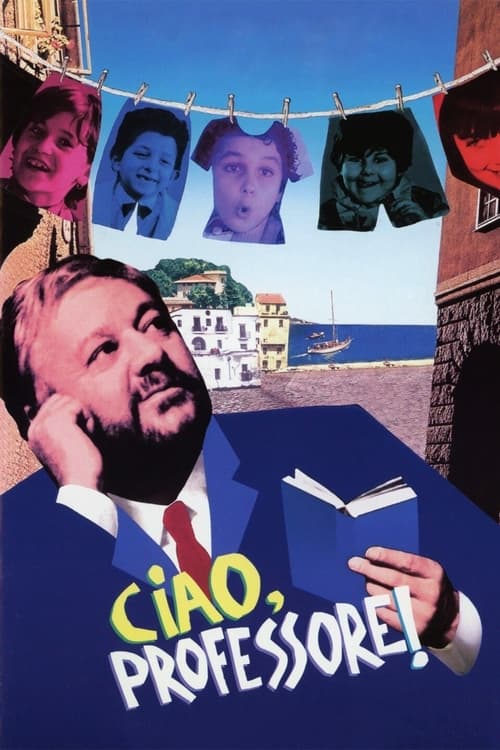
Ciao, Professore!
1992
No user ratings available yet
Representation score: 5.9 out of 10
Representation Score
Limited
1991
RDirector
Roberto Benigni
Runtime
115 minutes
Average Rating
No ratings yetNew Showbiz Analysis
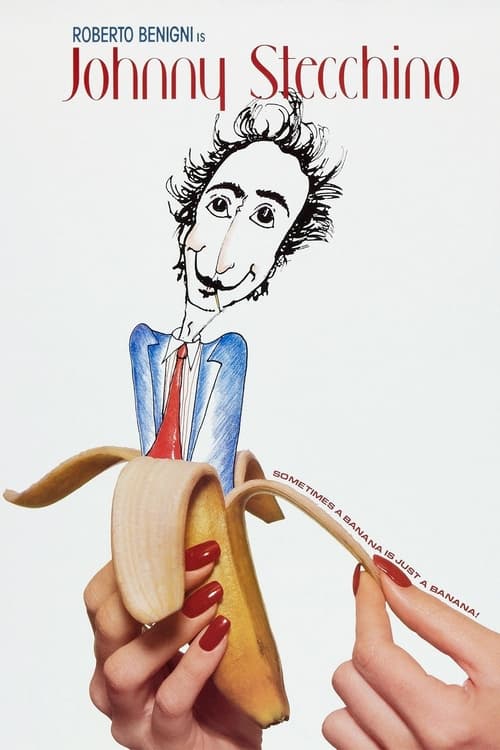
Johnny Stecchino is a period comedy set in mid-century Sicily. It employs the 'holy fool' archetype to navigate social hierarchies through farce and mistaken identity. While the film offers a subtle critique of the performative nature of wealth and social status, it lacks multi-layered complexity. The narrative structure relies on traditional comedic forms rather than challenging systemic identity politics. Ultimately, the film's focus on localized, intra-cultural dynamics and conventional gendered power plays results in a score that reflects its adherence to traditional social frameworks.
Category Breakdown
The film does not include any LGBTQ+ characters or explore non-straight relationships. The romantic subplot focuses solely on the traditional relationship between Dante and Maria.
Maria plays a pivotal role in driving the plot, but her character primarily serves as a catalyst for the protagonist's journey. The film leans heavily on traditional gender roles and relies on comedic clichés common in Italian farce.
Set in 1950s Sicily, the cast is predominantly white Italian, reflecting the demographic homogeneity of that time and place. The film does not explore ethnic diversity.
The story critiques class-based masquerades and the absurdity of social status through slapstick humor. However, it does not offer a deeper critique of organized crime.
The protagonist drives a bus for children with intellectual disabilities. While the children are functional to the setting, the film avoids 'inspiration porn' by focusing on Dante's own social alienation.
Present on Screen
Limited or Absent
Official Synopsis
Good hearted but not very wordly-wise, Dante is happy driving the school bus for a group of mentally handicapped children, while feeling he is somehow missing out on life and love. So he is very excited when after nearly being knocked down by her car he meets Maria, who seems immediately enamoured of him. He is soon invited to her sumptuous Palermo villa, little suspecting that this is part of a plot. He bears an amazing likeness to Maria's stool-pigeon gangster husband and it would be convenient for them if the mobster, in the shape of Dante, was seen to be dead and buried.
1992
1981
2000
1982
2001
1994
1991
1999
No reviews yet. Be the first to share your thoughts on this movie!
Use the rating form above to leave a star rating and optional review.