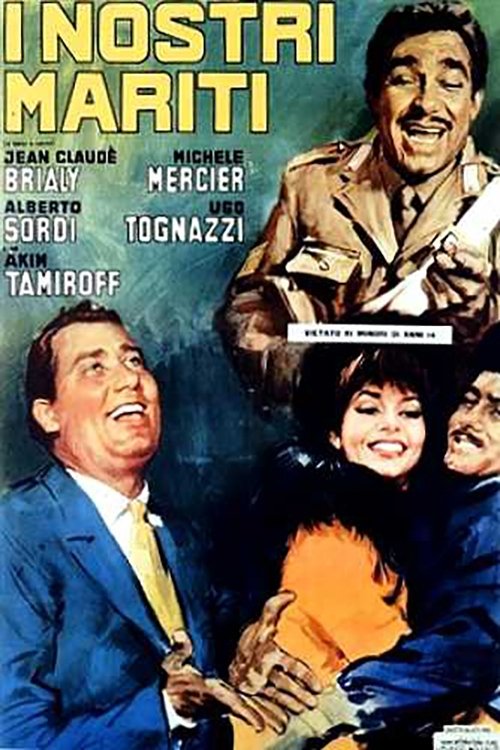
Our Husbands
1966
No user ratings available yet
Representation score: 3.0 out of 10
Representation Score
Fair
1966
Director
Marco Ferreri
Runtime
83 minutes
Average Rating
No ratings yetNew Showbiz Analysis
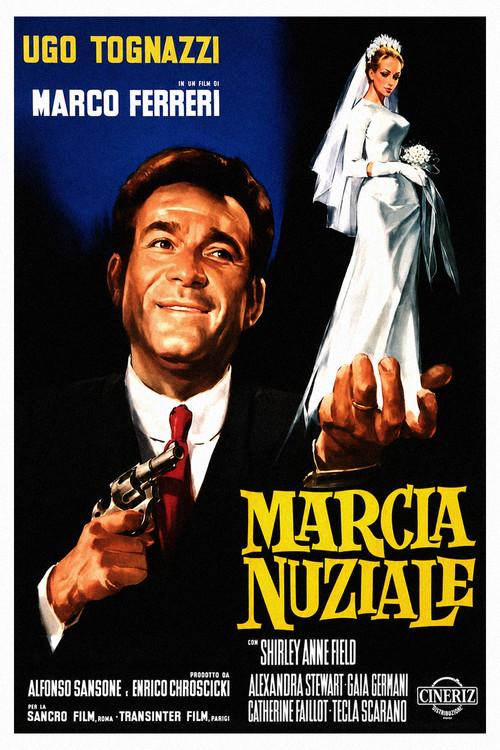
The Wedding March is a satirical look at mid-century social institutions. It prioritizes challenging traditional social contracts over broadening demographics, focusing on the absurdity of the bourgeois family unit. While it lacks racial and LGBTQ+ variety, it offers a critique of traditional social norms. Its strength lies in its narrative structure, which challenges the stability of the patriarch and the sanctity of marriage. By portraying these milestones as burdens to personal freedom, the film promotes moral relativism and anti-social autonomy. Ultimately, the film serves as a sophisticated critique of established cultural norms, using absurdity to question the stability of the domestic sphere.
Category Breakdown
The film doesn't explicitly include LGBTQ+ identities or stories. Instead, it focuses on the tension within traditional marriages and the fight for personal freedom.
The story challenges typical nuclear family structures. It frames marriage as an absurd contract rather than a sacred bond, disrupting traditional gender roles.
The cast and setting are mainly white and Mediterranean, reflecting the social layers of its 1966 European production context.
Ferreri effectively critiques Western institutions. The film portrays the bourgeois family unit as restrictive and absurd.
The film does not feature characters with visible or invisible disabilities as central plot devices or give them specific roles.
Present on Screen
Limited or Absent
Official Synopsis
Satirical film in four episodes about family and marriage.
1966
1963
1976
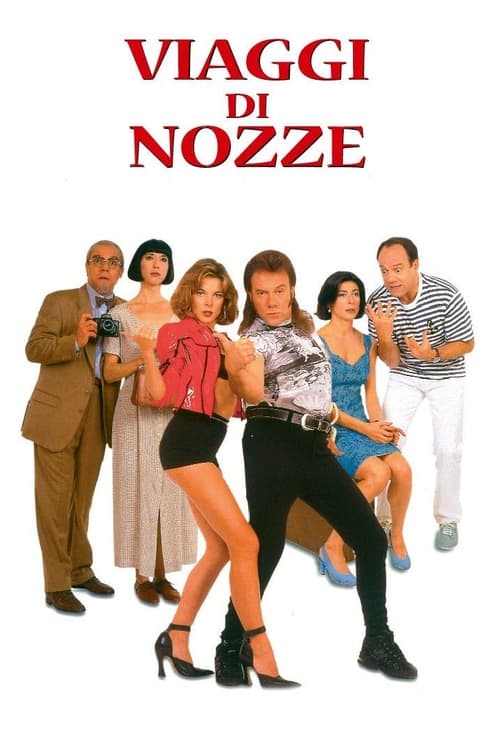
1995
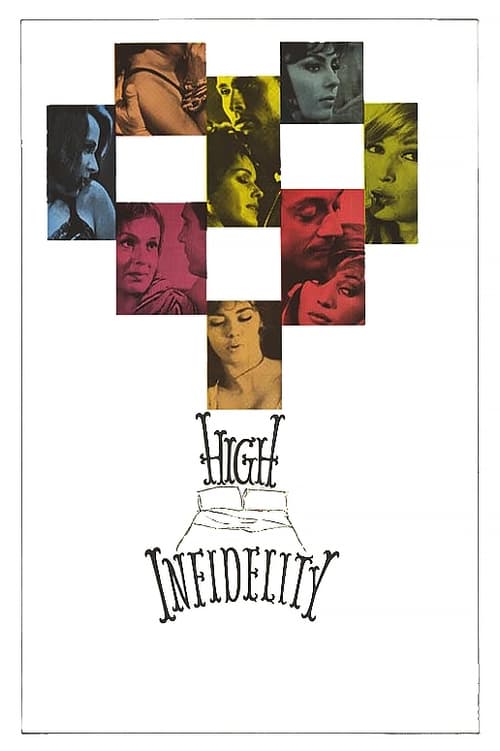
1964
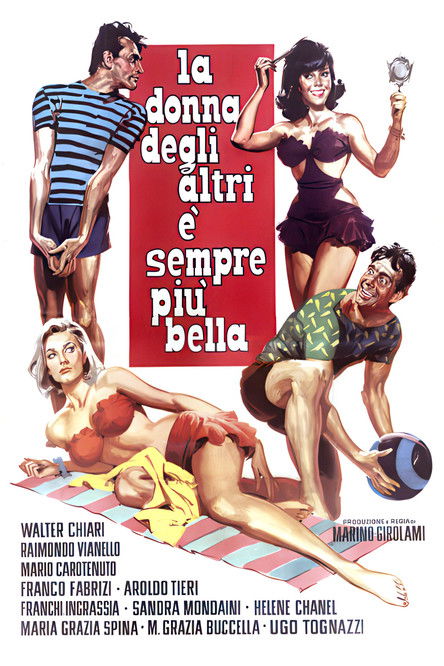
1963
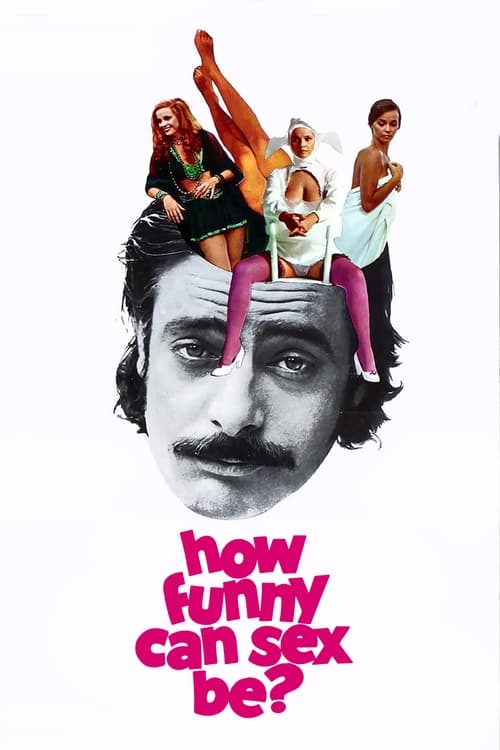
1973
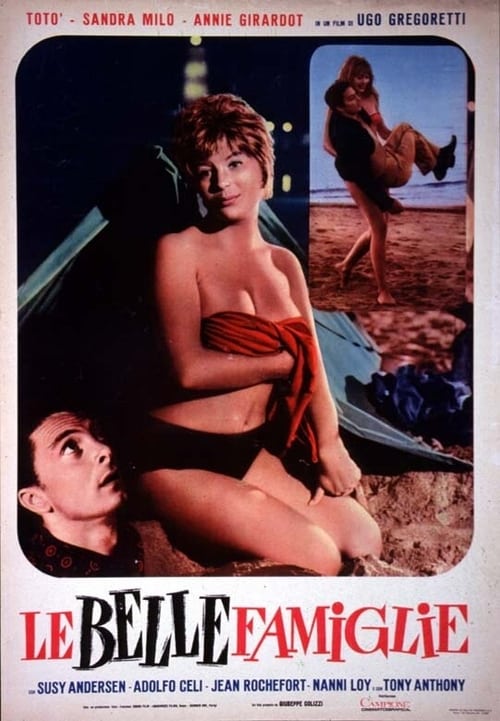
1964
No reviews yet. Be the first to share your thoughts on this movie!
Use the rating form above to leave a star rating and optional review.