
The Salt of Life
2011
No user ratings available yet
Representation score: 2.4 out of 10
Representation Score
Fair
2008
Not RatedDirector
Gianni Di Gregorio
Runtime
75 minutes
Average Rating
No ratings yetNew Showbiz Analysis
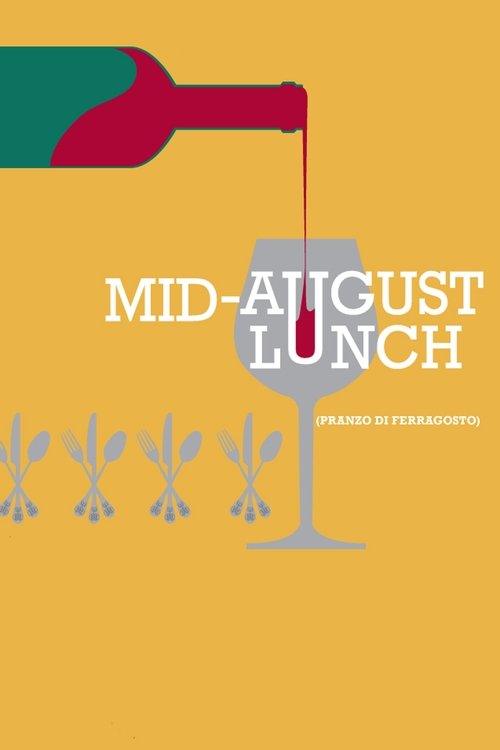
Mid-August Lunch finds its progressive edge through the quiet subversion of gendered roles rather than overt identity politics. By placing a man in a position of domestic service and emotional labor, it disrupts traditional masculine archetypes. However, the film remains limited by its narrow demographic scope. The setting is a homogeneous Roman environment that lacks racial or ethnic diversity, and the narrative operates within a conventional framework that assumes everyone is straight or cisgender. Ultimately, the film's strength lies in its humanistic focus on the working class and the dignity of aging, offering a nuanced look at domestic life that avoids many mainstream cinematic clichés.
Category Breakdown
The film focuses on a traditional domestic framework centered on familial bonds. There are no representations of LGBTQ+ identities or narratives that challenge the assumption that everyone is straight or cisgender.
The narrative subverts masculine hierarchies by centering a male protagonist defined by domesticity and caretaking. It reframes strength through emotional endurance rather than patriarchal leadership.
Set in a specific Roman urban context, the film depicts a homogeneous socioeconomic environment. It lacks diverse casting or non-majority elements to challenge demographic norms.
The story adopts a secular, humanist perspective that prioritizes small, everyday lives over grand religious narratives. It offers a nuanced view of family structures and economic instability.
The film provides a sensitive portrayal of the limitations associated with aging. The elderly mother is depicted with ability to act, treating her frailty as a lived reality rather than melodrama.
Present on Screen
Limited or Absent
Official Synopsis
Broke, and armed only with his sense of humor, middle-aged Gianni lives with his mother in their old apartment. The debts are mounting, but if Gianni looks after the building manager's mother during the Ferragosto, a mid-August holiday, all will be forgiven.
2011

1985

2014

2001

2023

2025

2016

2014
No reviews yet. Be the first to share your thoughts on this movie!
Use the rating form above to leave a star rating and optional review.