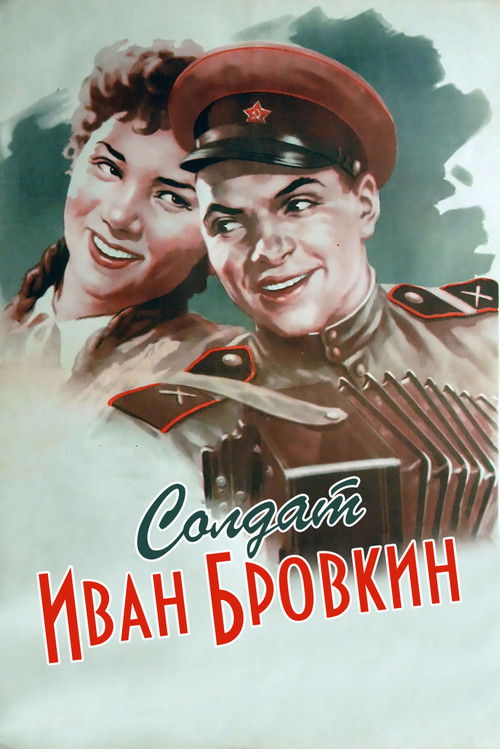
Soldier Ivan Brovkin
1955
No user ratings available yet
Representation score: 2.0 out of 10
Representation Score
Limited
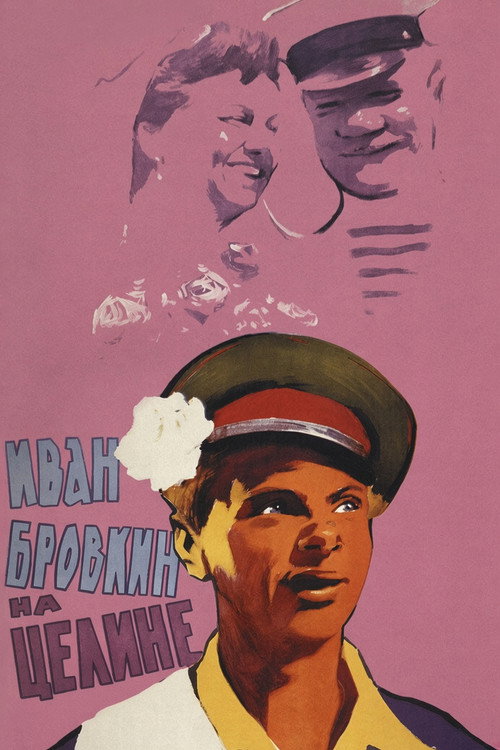
1959
Director
Ivan Lukinsky
Runtime
97 minutes
Average Rating
No ratings yetNew Showbiz Analysis
Ivan Brovkin on the State Farm exemplifies mid-century socialist cinema, reinforcing a state-sanctioned social order focused on labor and collective responsibility. The film promotes collectivist values and critiques individualism. However, it maintains traditional views on gender, race, and sexual orientation, reflecting the social norms of the 1950s Soviet era. The film effectively aligns with collectivist and anti-capitalist cultural values, emphasizing the importance of the collective good. However, it adheres to traditional gender roles and racial homogeneity, reflecting the demographic and social norms of the time.
Category Breakdown
The film focuses solely on heterosexual relationships, with no representation of LGBTQ+ identities. The plot revolves around the romance between Ivan and Lyubasha, without acknowledging any non-traditional gender identities.
Women are shown as active participants in agriculture, avoiding the stereotype of passive figures. However, the storyline still emphasizes traditional family structures and romantic relationships.
The cast is mainly composed of actors representing the Slavic and Soviet demographic, presenting a uniform ethnic portrayal of the working class.
The film highlights collectivist values and state-controlled labor, emphasizing secular morality and the collective good over religious influences.
There is no depiction of physical, sensory, or neurodivergent disabilities. Characters are defined by their roles in society and their ability to perform physical labor.
Present on Screen
Limited or Absent
Official Synopsis
Ivan Brovkin finishes serving in the army with the rank of sergeant and, together with a group of comrades after demobilization, decides to go to the development of state farm. He arrives at his native collective farm and meets there a cool welcome: the chairman of the collective farm, the bride Lyubasha and mother — consider him a traitor. The planned wedding is canceled, and Brovkin leaves for the state farm. Brovkin comes to the state farm at the time of plowing the land. He joins the team. Winter passes after working days. In letters home he writes that everything is fine with him. News about how Ivan lives is spreading throughout the village. Lyubasha is seriously thinking about running away from home to the state farm...
1955
1962
1937
1930
1961
1956
1998

1956
No reviews yet. Be the first to share your thoughts on this movie!
Use the rating form above to leave a star rating and optional review.