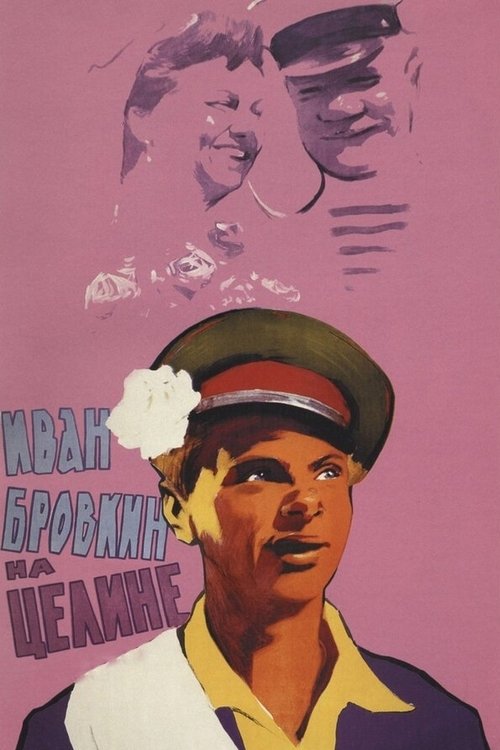
Ivan Brovkin on the State Farm
1959
No user ratings available yet
Representation score: 2.5 out of 10
Representation Score
Limited
1955
Director
Ivan Lukinsky
Runtime
93 minutes
Average Rating
No ratings yetNew Showbiz Analysis
This film is a classic example of Socialist Realism, emphasizing ideological unity and collective identity over individualistic or multi-layered representation. It serves as a tool for promoting state-mandated secularism and anti-capitalist values. While the film excels in cultural representation by rejecting Western religious and capitalist frameworks, it falls short in terms of gender and LGBTQ+ diversity. The narrative reinforces traditional hierarchies and straight-centered structures. Ultimately, the film reflects the demographic and social homogeneity of the mid-20th century Soviet era, focusing on the utility of individuals to the state.
Category Breakdown
The film follows strict 1950s social norms where everyone is assumed to be straight and cisgender. There are no representations of LGBTQ+ identities or same-sex relationships.
Male characters are primarily involved in military service and leadership roles. Female characters are mostly shown in supportive or domestic roles.
The cast is mainly made up of ethnically Slavic individuals, reflecting the demographics of the time. It presents a homogeneous social norm without promoting harmful stereotypes.
The story is explicitly anti-capitalist and secular, showing a world without religious influence. It highlights the dignity of workers and collective effort.
There are no representations of physical or neurodivergent disabilities. Characters are depicted based on their usefulness to the state and military.
Present on Screen
Limited or Absent
Official Synopsis
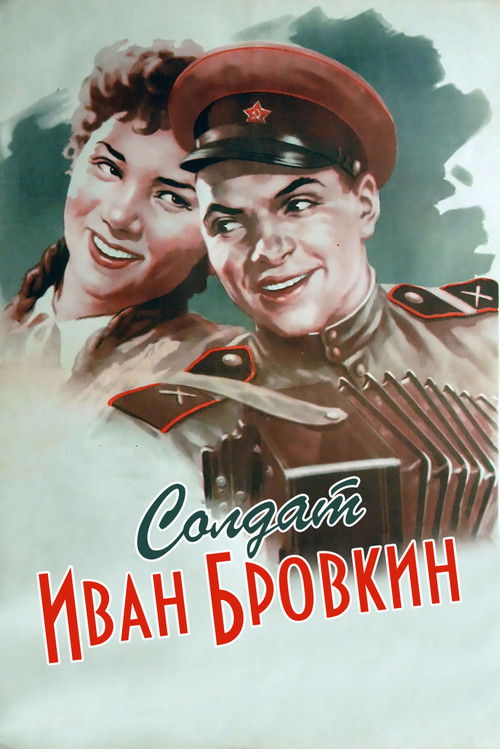
This exhilarating two-part film (“Soldier Ivan Brovkin” and “Ivan Brovkin on the State Farm”) presented to the country a new national hero – kind, modest, charming and… ne’er-do-well. That “ne’er-do-well-ness” proved “Kharitonov’s special key to audiences’ hearts”. Following Brovkin’s appearance on the screen, Kharitonov had become a star of the national cinema, an idol for millions of people. His incredible popularity may be compared to that of another national hero – the world’s first cosmonaut Yuri Gagarin. And not surprisingly, it was Kharitonov who made a cameo appearance going up the festival stairs and followed with the adoring eyes of the heroines in V. Menshov’s Oscar-winning melodrama “Moscow Does Not Believe in Tears”.
1959
1965
1946
1977
1968
1974
1955
1967
No reviews yet. Be the first to share your thoughts on this movie!
Use the rating form above to leave a star rating and optional review.