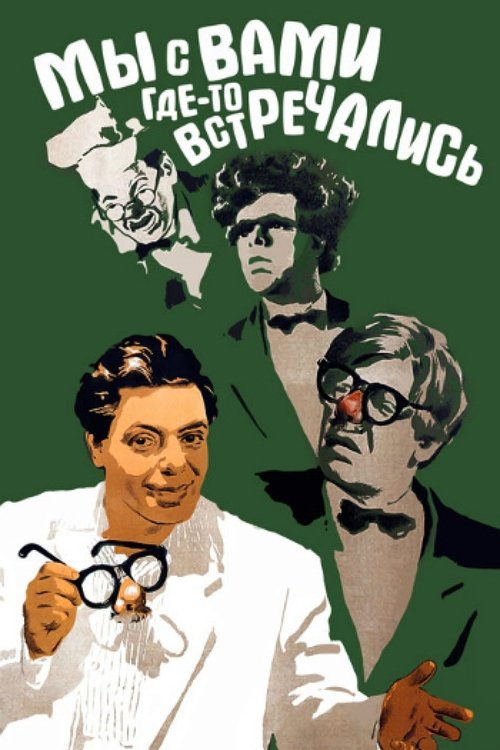
Did We Meet Somewhere Before
1954
No user ratings available yet
Representation score: 2.8 out of 10
Representation Score
Fair
1961
Director
Frunze Dovlatyan, Lev Mirsky
Runtime
94 minutes
Average Rating
No ratings yetNew Showbiz Analysis
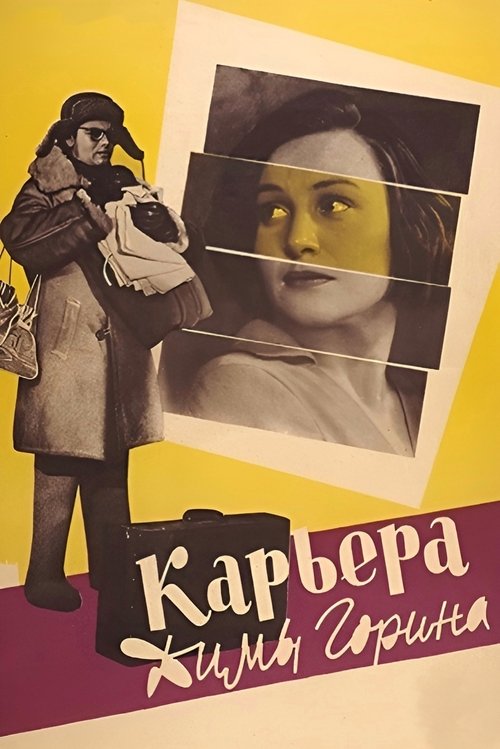
Dima Gorin's Career is a mid-century Soviet comedy that finds its strength in thematic subversion. By contrasting the rigid structure of a savings bank with the communal life of the Siberian taiga, the film offers a meaningful critique of institutionalism and urban bureaucracy. However, the film adheres to many traditional cinematic formulas of its era. The narrative structure is largely oriented towards straight relationships and focuses on a singular male protagonist's journey, limiting its breadth of representation. Ultimately, the film's diversity lies in its cultural values rather than its character demographics. It prioritizes collective social utility over individualistic accumulation, providing a nuanced look at mid-century social priorities.
Category Breakdown
The film follows a typical romantic storyline focused on the protagonist finding his dream girl. There is no indication of queer themes or non-straight identities in the narrative.
Dmitry leads the physical journey, but the plot revolves around his discovery of a new lifestyle. The female lead's autonomy is ambiguous, making her role either catalytic or passive.
The story centers on travel between Moscow and the Siberian frontier. While the setting is geographically varied, the film does not confirm a multi-ethnic or non-Slavic cast.
The narrative criticizes institutionalism by emphasizing communal work over bureaucratic stability. It highlights collective utility and environmental immersion over individual financial gain.
The plot details do not mention any characters dealing with physical or neurodivergent disabilities.
Present on Screen
Limited or Absent
Official Synopsis
Dmitry Gorin is awaiting the post of branch manager of a savings bank. But one day he accidentally gives an extra amount to a person who works in the taiga on the construction of the Siberia-Ural power transmission line. To return the money, Dmitry has to go to the taiga. But he is not in a hurry to return to Moscow. The fact is that he discovers a completely different life, which he likes, and meets the girl he dreamed of
1954

1962
1939
1977

1962
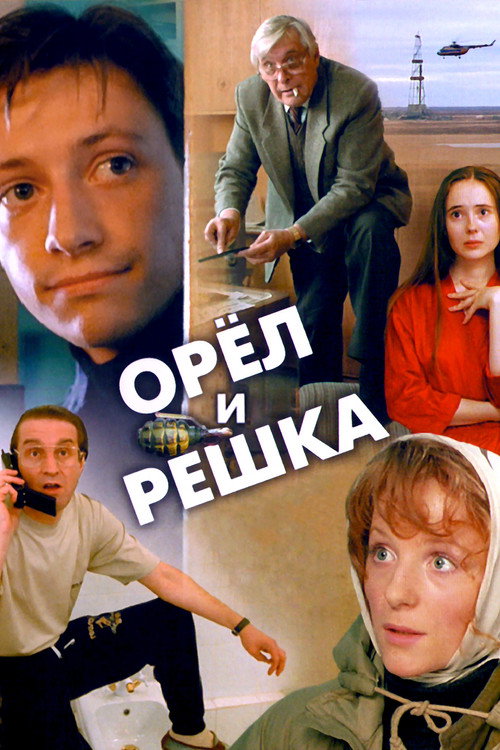
1995
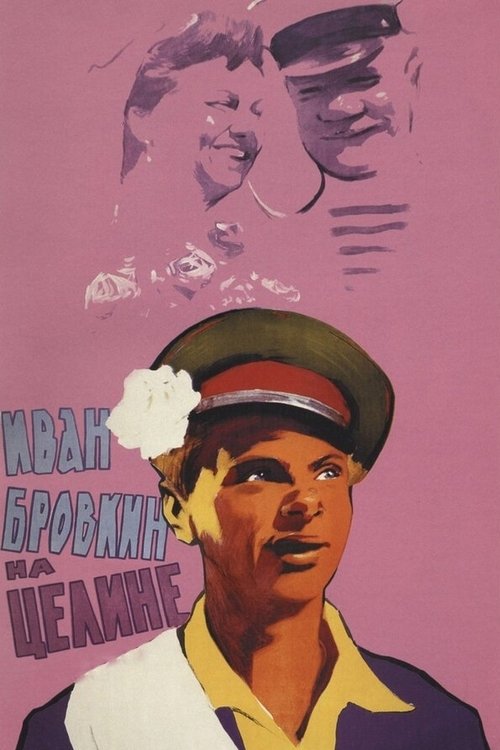
1959

1960
No reviews yet. Be the first to share your thoughts on this movie!
Use the rating form above to leave a star rating and optional review.