
Why Wouldn't We Send... a Messenger?
1998
No user ratings available yet
Diversity score: 2.8 out of 10
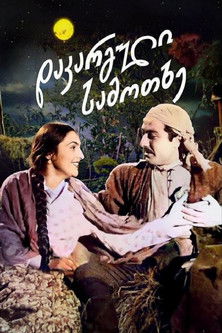
1937
Director
David Rondeli
Runtime
85 minutes
Average Rating
No ratings yetSynopsis
A Soviet drama about class differences in a rural farm town
Overall Score
Limited
Category Breakdown
LGBTQ+ Representation
The film contains no evidence of LGBTQ+ characters or non-heteronormative narratives. The social and cinematic constraints of 1937 Soviet cinema typically precluded such depictions.
Gender Representation
Female characters likely appear as symbols of labor or revolutionary strength within the rural setting. However, these roles often function within rigid social frameworks lacking modern intersectional agency.
Racial & Ethnic Diversity
The rural Soviet farm town setting suggests a multi-ethnic composition reflecting the USSR's diverse regional identities. This diversity likely serves to illustrate themes of class solidarity.
Religious & Cultural Diversity
The narrative centers on class struggle and critiques traditional hierarchies. It prioritizes collective identity and systemic conflict over individualist values, aligning with progressive socio-economic critiques.
Disability Representation
There is no evidence of characters with visible or invisible disabilities. The film's focus remains on agrarian and class-based structures.
Strengths
Areas for Improvement
AI Analysis
Lost Paradise is a product of its era, defined by the state-sponsored narrative structures of 1937 Soviet cinema. The film's identity is rooted in systemic critiques of class and agrarian life rather than individual demographic representation. While the film excels in cultural representation by challenging capitalist structures and bourgeois stability, it fails to include modern intersectional markers. The absence of LGBTQ+ and disability representation reflects the era's specific cinematic limitations. Ultimately, the film prioritizes socio-economic identity. It offers a window into collective struggle but lacks the nuanced agency found in contemporary depictions of gender and identity.
No reviews yet. Be the first to share your thoughts on this movie!
Use the rating form above to leave a star rating and optional review.