
With You and Without You
1973
No user ratings available yet
Representation score: 3.5 out of 10
Representation Score
Limited
1956
Director
Mikhail Shveitser
Runtime
94 minutes
Average Rating
No ratings yetNew Showbiz Analysis
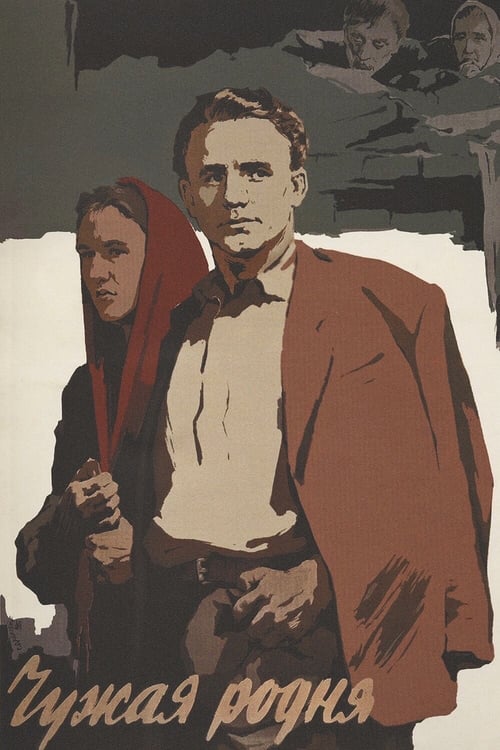
Other People's Relatives is a social drama that prioritizes collectivist ideology over individualist domesticity. It uses the friction between a young man and his in-laws to critique traditional family structures. While the film lacks modern markers like LGBTQ+ or racial diversity, it succeeds in challenging romantic clichés. Instead of a domestic sanctuary, the home is depicted as a source of stagnation. The film's strength lies in its systemic critique, though it remains limited by the homogeneous social context of its era.
Category Breakdown
The film does not include any characters with non-straight sexual orientations or non-cisgender identities. The story centers on the marital tension between Fyodor and Stesha.
The narrative critiques traditional domestic hierarchies by portraying the home as a site of conflict. It depicts domestic expectations as restrictive rather than stabilizing.
The setting reflects a homogeneous social environment typical of rural Soviet life. There is no evidence of racial blending or ethnic subversion.
The film offers a strong critique of petty bourgeois values. It prioritizes collective farm life over the private, suffocating family unit.
There is no mention of characters with visible or invisible disabilities. The narrative focuses on social and domestic friction.
Present on Screen
Limited or Absent
Official Synopsis
The young machine operator Fyodor Soloveikov marries Stesha from a neighboring village and moves to live with her parents in a house. Young and energetic, he suffocates in the petty bourgeois world of the family, living away from collective farm life. Quarrels arise between young people, where old men pour oil of discord. Not receiving proper support from his wife, Fyodor leaves home.
1973

1967

1960

1962

1956

1969

1967

1961
No reviews yet. Be the first to share your thoughts on this movie!
Use the rating form above to leave a star rating and optional review.