Perfect Strangers
1984
No user ratings available yet
Representation score: 4.2 out of 10
Representation Score
Fair
1967
ApprovedDirector
Larry Peerce
Runtime
99 minutes
Average Rating
No ratings yetNew Showbiz Analysis
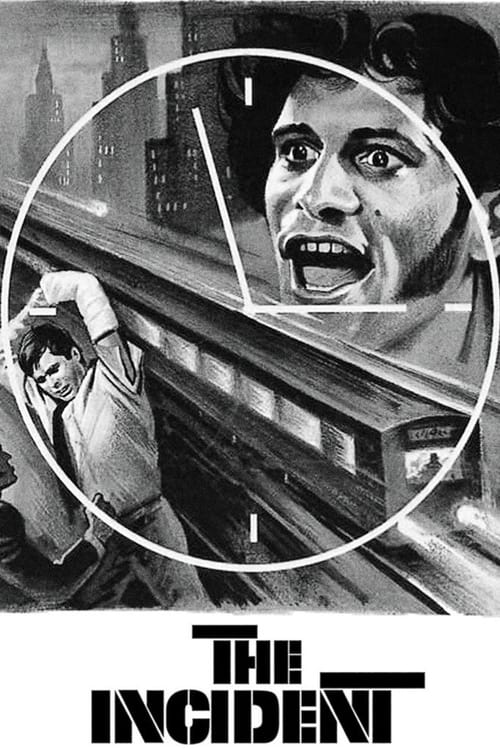
The Incident is a claustrophobic look at systemic weaknesses, using a subway setting to explore the breakdown of social order. It successfully portrays a diverse, multi-ethnic slice of 1960s New York, avoiding a uniform depiction of society. However, the film is constrained by the social norms of its time, lacking explicit LGBTQ+ representation and focusing on masculine-coded power dynamics. While women are integral to the chaos, the central conflicts remain dominated by male figures. Overall, the film excels in its critique of institutional failures and moral ambiguity, prioritizing psychological realism over simplistic hero-villain dichotomies.
Category Breakdown
The film does not include any explicit LGBTQ+ characters or non-cisgender identities. The story revolves around the psychological crisis and tensions among the hostages and passengers.
Women are present in the film, but the narrative emphasizes masculine-coded aggression and authority. They play active roles in the chaos rather than being confined to traditional damsel roles.
The film features a diverse cast reflecting the urban reality of 1960s New York. This casting avoids a homogeneous portrayal, showcasing a blend of ethnicities in a tense environment.
The film examines the breakdown of social norms and the dehumanizing impact of urban capitalism. It highlights how institutional stability crumbles under extreme conditions.
The film does not specifically address physical or neurodivergent disabilities. Psychological stress is portrayed as a universal response to trauma rather than a condition-specific issue.
Present on Screen
Limited or Absent
Official Synopsis
Two hoodlums terrorize the passengers of a late-night New York City subway train.
1984

1977

1956

1955
1957
1952
1980

1975
No reviews yet. Be the first to share your thoughts on this movie!
Use the rating form above to leave a star rating and optional review.