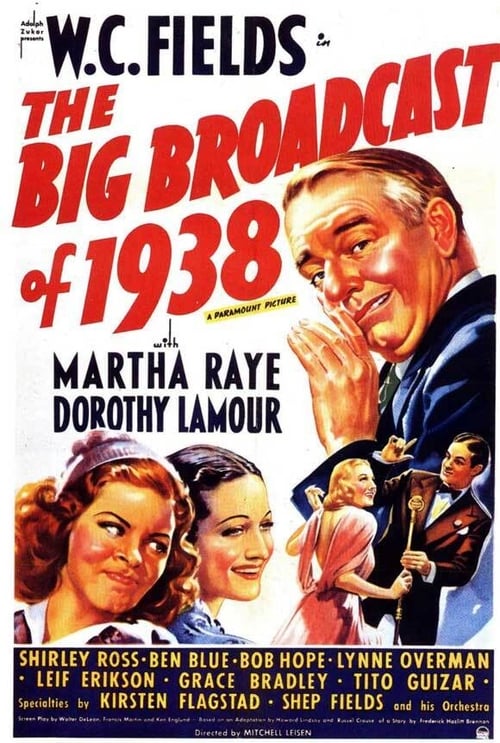
The Big Broadcast of 1938
1938
No user ratings available yet
Representation score: 0.4 out of 10

Representation Score
Limited
1932
NRDirector
Frank Tuttle
Runtime
87 minutes
Average Rating
No ratings yetNew Showbiz Analysis
The Big Broadcast serves as a commercial showcase for radio stars, emphasizing escapism over social commentary. While the variety format includes a diverse cast, these appearances are primarily for style rather than character development. The film stays true to the traditional hierarchies of the 1930s, reinforcing established gender roles and celebrating the polished success of the entertainment industry without questioning its foundations. Ultimately, the production lacks the intentionality needed to offer nuanced or multi-layered character development, functioning instead as a historical record of the early studio era.
Category Breakdown
The film doesn't include any recognizable LGBTQ+ characters or stories. Romantic elements follow traditional courtship patterns common in early 1930s musical comedies.
Women in the film have strong stage presence but mostly fit traditional musical comedy roles. The movie upholds conventional gender roles without challenging male dominance.
The film features a diverse range of performers to mimic a radio broadcast. However, these appearances don’t give characters of color meaningful roles in the story.
The film celebrates the glamour of the studio system and Western capitalist entertainment. It doesn’t engage with religious critiques or question social structures.
The film doesn’t focus on disability or neurodivergence. Performers are shown as physically perfect for musical dance routines.
Present on Screen
Limited or Absent
Official Synopsis
The top brass at a radio station believe their popular new star singer is paying more attention to his love life than to his career.
1938
1933
1937
1935
1934

1953
1930
1941
No reviews yet. Be the first to share your thoughts on this movie!
Use the rating form above to leave a star rating and optional review.