
Interview with Salvador Allende: Power and Reason
1973
No user ratings available yet
Representation score: 3.7 out of 10
Representation Score
Fair
1971
Director
Miguel Littín
Runtime
48 minutes
Average Rating
No ratings yetNew Showbiz Analysis
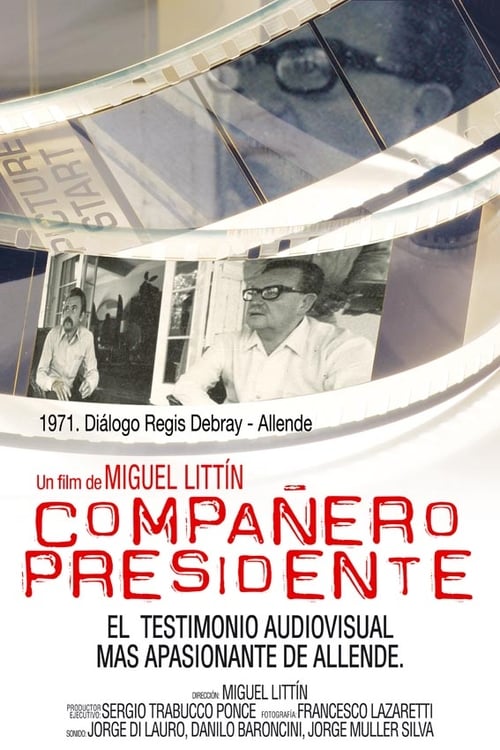
Compañero Presidente is a powerful piece of political testimony that excels in its deconstruction of colonialist power dynamics. By centering the Chilean political process, it elevates the ability to act of the Global South and challenges Western-centric historical narratives. However, the film lacks breadth in representing various identities. The focus on high-level ideological dialogue results in a significant absence of LGBTQ+ visibility and a heavy reliance on male-dominated political spheres. Ultimately, the film is a specialized tool for social agitation. It prioritizes systemic critique and class struggle over a broad spectrum of individual identity representation.
Category Breakdown
The documentary focuses strictly on the geopolitical and ideological dialogue between Allende and Debray. There is no discernible presence of LGBTQ+ characters or narratives within the film.
The narrative structure centers on male-dominated political and military spheres, emphasizing the roles of heads of state and intellectuals over female involvement.
The film serves as a vital document of Latin American ability to act. It disrupts the Western-centric gaze by centering the Chilean working class and peasantry.
The work provides a profound critique of Western-backed structures and capitalist models. It frames the socialist transition as a necessary reclamation of power by those sidelined.
There is no significant evidence regarding the portrayal of physical or neurodivergent disabilities in this documentary context.
Present on Screen
Limited or Absent
Official Synopsis
On January 4, 1971, an extensive dialogue takes place between the president of Chile Salvador Allende and the French intellectual Regis Debray, a discussion about the Chilean process towards the installation of a socialist government. Filmed by a team from Chilefilms, a state-owned company dedicated to the production of audiovisual works, it is a unique testimony to Allende's thinking in the first year of his government.
1973
2017
1986
1965

1971
2019
1976
2004
No reviews yet. Be the first to share your thoughts on this movie!
Use the rating form above to leave a star rating and optional review.