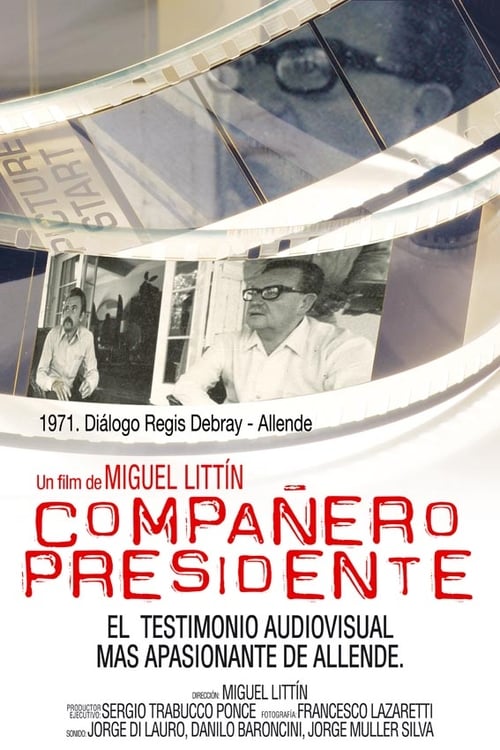
Compañero Presidente
1971
No user ratings available yet
Representation score: 4.9 out of 10

Representation Score
Limited
1973
Director
Emidio Greco, Roberto Rossellini
Runtime
45 minutes
Average Rating
No ratings yetNew Showbiz Analysis
This documentary serves as a critical piece of political history by challenging Western-centric historical narratives. By focusing on Salvador Allende, the film offers a Latin American perspective on global power structures. While the film does not address modern issues related to LGBTQ+ or disability representation, it excels in its cultural and racial positioning. The involvement of Roberto Rossellini indicates a commitment to capturing social realities and systemic truths. Ultimately, the film disrupts traditional hegemony by presenting its subject within a transformative movement against established global hierarchies.
Category Breakdown
The film does not include any LGBTQ+ characters or narratives focused on non-straight identities.
The documentary focuses on the political sphere of the early 1970s, which was historically dominated by men, offering limited challenges to traditional gender roles.
The film centers on the Chilean presidency, providing a Latin American perspective that disrupts Western-centric views by highlighting a non-Western leader during the Cold War era.
The subject matter is rooted in anti-capitalist and socialist frameworks, critiquing traditional Western economic structures through its narrative structure.
There is no evidence of the film portraying physical or neurodivergent disabilities.
Present on Screen
Limited or Absent
Official Synopsis
An interview with the president of Chile conducted by Roberto Rossellini in 1971, but broadcast only after his death.
1971
2017
2004
1935

1971
2019
1986
1979
No reviews yet. Be the first to share your thoughts on this movie!
Use the rating form above to leave a star rating and optional review.