
Interview with Salvador Allende: Power and Reason
1973
No user ratings available yet
Representation score: 3.7 out of 10

Representation Score
Limited
1971
Director
Fernando E. Solanas, Octavio Getino
Runtime
140 minutes
Average Rating
No ratings yetNew Showbiz Analysis
Perón: Political Update and Doctrine for the Seizure of Power is a foundational text of Third Cinema, designed to dismantle colonialist narratives. It functions more as a political manifesto than a traditional documentary, prioritizing class and national identity over individual representation. The film excels in its cultural critique, offering a profound deconstruction of Western institutional dominance and imperialist economic models. It successfully positions the Global South as a site of ability to act and systemic disruption. However, the work lacks representation in several modern diversity metrics. The focus on high-level political doctrine results in a narrative centered on masculine-coded leadership, with no visible inclusion of LGBTQ+ or disabled identities.
Category Breakdown
The documentary focuses solely on macroeconomic theories and class struggle. There are no LGBTQ+ characters or narratives addressing sexual orientation in this political work.
The film primarily depicts ability to act through male political figures and patriarchal structures. While the working class is central, the movie does not actively challenge traditional gender hierarchies.
The film promotes regional sovereignty by centering Argentine identity against imperialist influence. It prioritizes the ability to act of the Global South to critique Western hegemony.
This seminal work critiques Western hegemony and capitalist structures. It frames traditional Western institutions as oppressive forces to be dismantled through mass mobilization.
The archival and interview-based structure contains no discernible focus on disability, neurodivergence, or sensory impairments.
Present on Screen
Limited or Absent
Official Synopsis
A series of interviews with Juan Domingo Perón in Madrid, where he was exiled. Filmed between June and October 1971, Perón talks about the current situation of the Justicialist movement and the steps to be taken to win the presidential elections again.
1973
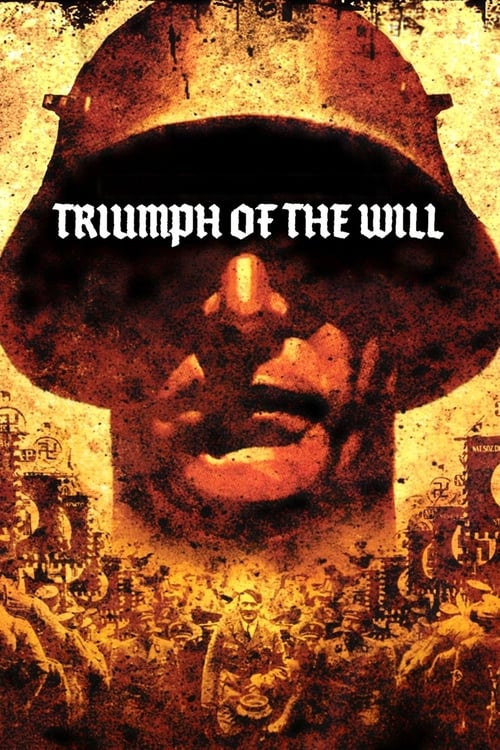
1935
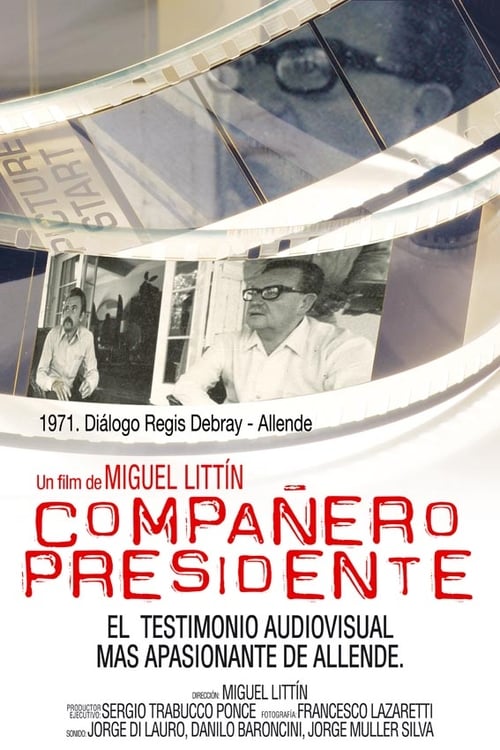
1971
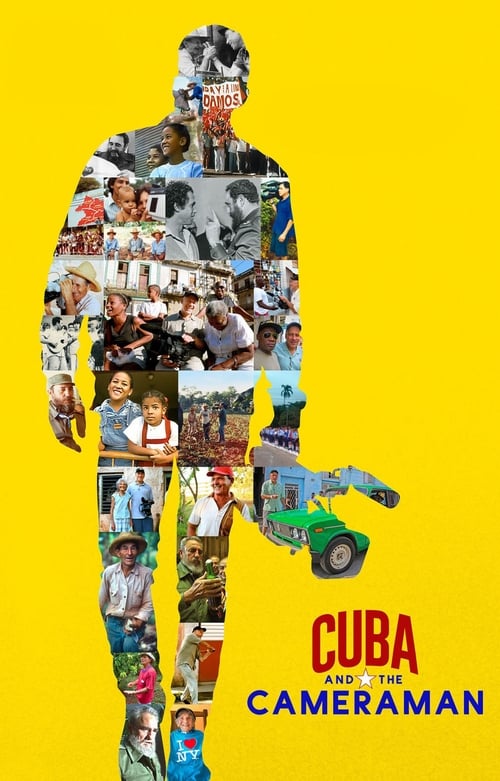
2017
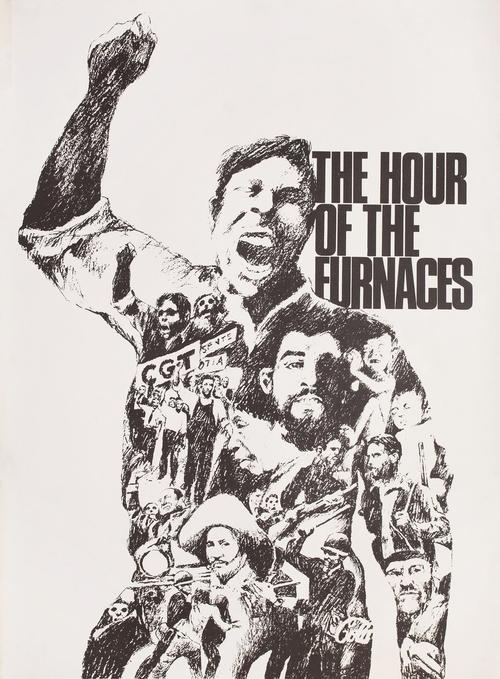
1968
2019
2000

2019
No reviews yet. Be the first to share your thoughts on this movie!
Use the rating form above to leave a star rating and optional review.