
Come Back, Little Sheba
1953
No user ratings available yet
Representation score: 5.6 out of 10
Representation Score
Minimal
1957
NRDirector
Martin Ritt
Runtime
105 minutes
Average Rating
No ratings yetNew Showbiz Analysis
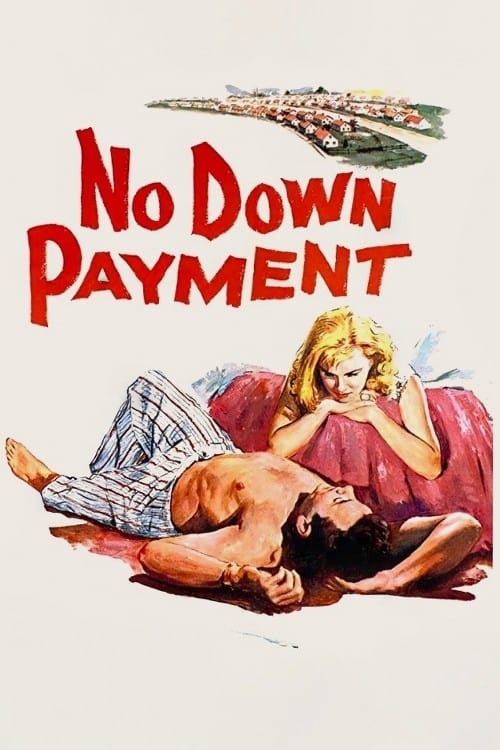
No Down Payment is a mid-century drama that prioritizes socioeconomic commentary over demographic variety. While it fails to include LGBTQ+ or disabled characters, it finds its strength in its critique of economic structures. The film's primary diversity comes from its cultural focus on working-class ability to act. By centering on collective labor, it challenges the individualistic capitalist norms of the 1950s. However, the film remains limited by the era's social constraints, particularly regarding racial homogeneity and traditional gender roles where men hold the primary ability to act.
Category Breakdown
The film does not include any LGBTQ+ characters or explore non-straight relationships. The interpersonal dynamics focus solely on traditional marital structures without any queer undertones.
Gender roles remain rigid, with decision-making power concentrated among men. Despite giving psychological depth to wives, the narrative adheres to mid-century patriarchal dynamics.
The cast is predominantly homogeneous, reflecting the era's cinematic norms. There is a notable absence of racial or ethnic diversity within the Southern California setting.
The film critiques capitalist stability by focusing on collective labor action. It emphasizes communal resource pooling over individualist achievement to drive the plot.
No visible or invisible disabilities are portrayed. Character arcs are defined by marital status and socioeconomic standing rather than physical or neurodivergent traits.
Present on Screen
Limited or Absent
Official Synopsis
The marital difficulties of four couples living in a southern California housing development become intertwined. Among the unhappy couples are ne'er-do-well Jerry Flagg and his long-suffering wife Isabelle, flirtatious Leola Boone and her sadistic husband Troy, hard-working Herman Kreitzer and his understanding wife Betty, and newlyweds Jean and David Martin.
1953

1974
1958
1969
1960

1950
1954
1974
No reviews yet. Be the first to share your thoughts on this movie!
Use the rating form above to leave a star rating and optional review.