All Fall Down
1962
No user ratings available yet
Diversity score: 3.1 out of 10
1971
RDirector
Frank D. Gilroy
Runtime
97 minutes
Average Rating
No ratings yetSynopsis
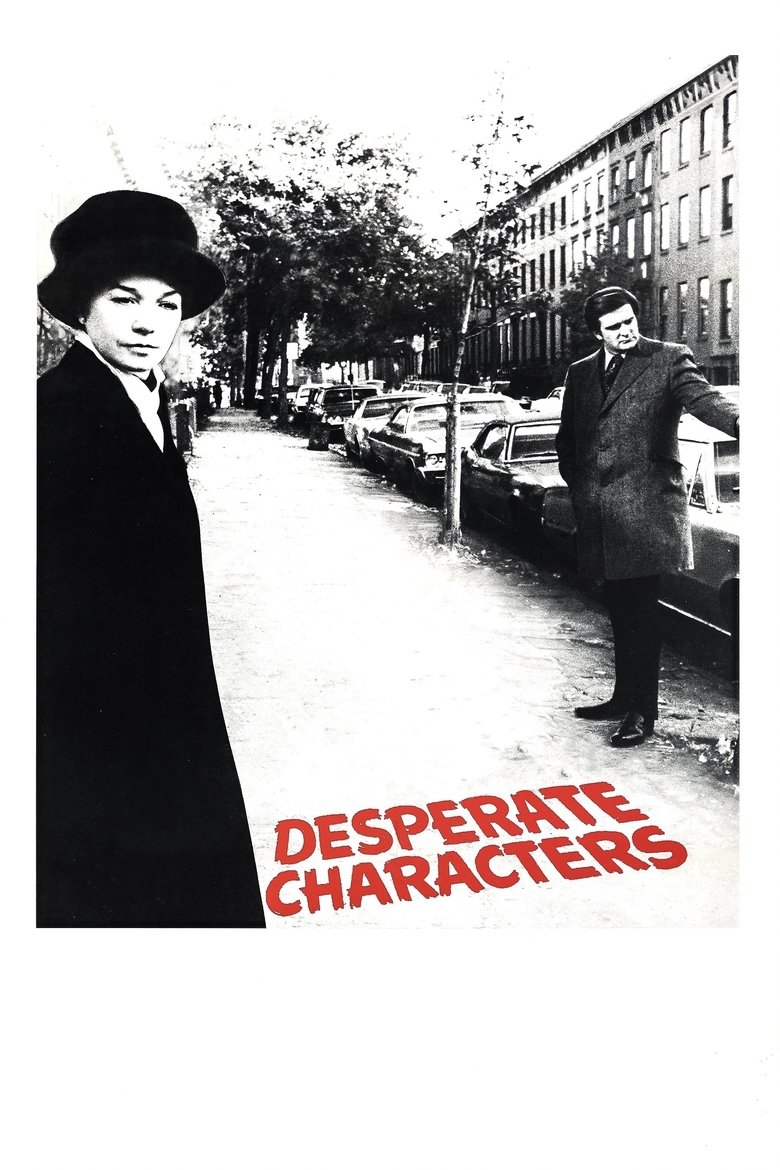
Sophie and Otto Bentwood are a middle-aged, middle class, childless Brooklyn Heights couple trapped in a loveless marriage. He is an attorney, she a translator of books. Their existence is affected not only by their disintegrating relationship but by the threats of urban crime and vandalism that surround them everywhere they turn, leaving them feeling paranoid, scared, and desperately helpless.
Overall Score
Limited
Category Breakdown
LGBTQ+ Representation
The film offers no engagement with queer themes or non-heteronormative identities. The narrative focuses exclusively on the disintegrating heterosexual marriage of the central protagonists.
Gender Representation
The story subverts mid-century domestic archetypes by portraying the marital unit as a site of emotional decay. It highlights how traditional gendered roles fail to provide fulfillment for the alienated couple.
Racial & Ethnic Diversity
The production utilizes a homogeneous casting model centered on a primarily white demographic. It lacks significant racial diversity or characters from varied ethnic backgrounds.
Religious & Cultural Diversity
The film provides a sophisticated critique of middle-class, consumerist lifestyles and bourgeois stability. It frames the pursuit of material security as a source of emotional sterility and paranoia.
Disability Representation
There is no discernible representation of physical or neurodivergent disabilities. Psychological distress is treated as a universal existential condition rather than a specific depiction of disability.
Strengths
Areas for Improvement
AI Analysis
Desperate Characters is a claustrophobic character study focused on urban alienation and the erosion of domestic stability. It succeeds in deconstructing the idealized middle-class lifestyle, presenting it as a hollow and paranoid existence. However, the film is demographically narrow. The lack of racial, LGBTQ+, and disability representation results in a highly insulated narrative that reflects a specific, singular socioeconomic enclave. Ultimately, the film's value lies in its psychological depth and its subversion of traditional social certainties rather than its demographic breadth.
1962
1974
1957
1970
1965
1964
1954
1957
1959
1953
1968
1971
No reviews yet. Be the first to share your thoughts on this movie!
Use the rating form above to leave a star rating and optional review.