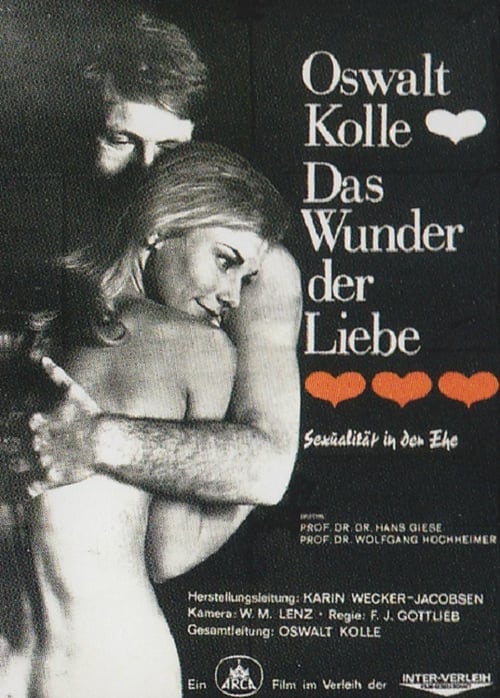
In Love with Sex
1973
No user ratings available yet
Representation score: 2.7 out of 10
Representation Score
Limited
1968
XDirector
Franz Josef Gottlieb
Runtime
83 minutes
Average Rating
No ratings yetNew Showbiz Analysis
The film serves as a period-specific study of sexual education and marital friction. It moves away from religious moralism by employing a scientific lens to examine intimacy and dysfunction. While the film offers some progressive elements by deconstructing the stability of the nuclear family, its scope is quite narrow. It primarily addresses the shortcomings of male providers and the emotional needs of wives. Ultimately, the work remains limited by its focus on heterosexual relationships and lacks racial or queer diversity, reflecting the cultural homogeneity of its 1968 context.
Category Breakdown
The film focuses solely on heterosexual marriages and does not include any queer narratives or non-cisgender identities.
The film explores gendered power dynamics by showing female dissatisfaction with their husbands. It challenges the idea of the perfect husband by depicting him as incompetent and neglectful.
The production appears culturally homogeneous, focusing on Western European social issues. There is no indication of a diverse or multi-ethnic cast.
The film adopts a secular approach by using psychology and sex research to discuss intimacy. However, it remains centered on the traditional institution of marriage.
The film provides no evidence regarding the inclusion of characters with physical or neurodivergent disabilities.
Present on Screen
Limited or Absent
Official Synopsis
The Film begins with an emphatically serious discussion between Kolle, the sex researcher Professor Hans Giese, and the psychologist Wolfgang Hochheimer. After that follow the first play scenes. In a buoyant conversation, two model cases of sexual difficulties in marriage and their causes are discussed. A newlywed couple one the one side and a couple already married for seven years on the other side discuss about their problems. The words are illustrated by play scenes, short comments which point to the consequences of a lack of sexual education are inserted in between. With the newlyweds, the premature orgasm of the husband causes his wife woes as she is missing the loving foreplay and aftermath. The second husband, an architect who has become father of two children in the meantime, in contrast, neglects his wife in favour of his job.
1973

1956
1971
1969
1948

1953

1965
1950
No reviews yet. Be the first to share your thoughts on this movie!
Use the rating form above to leave a star rating and optional review.