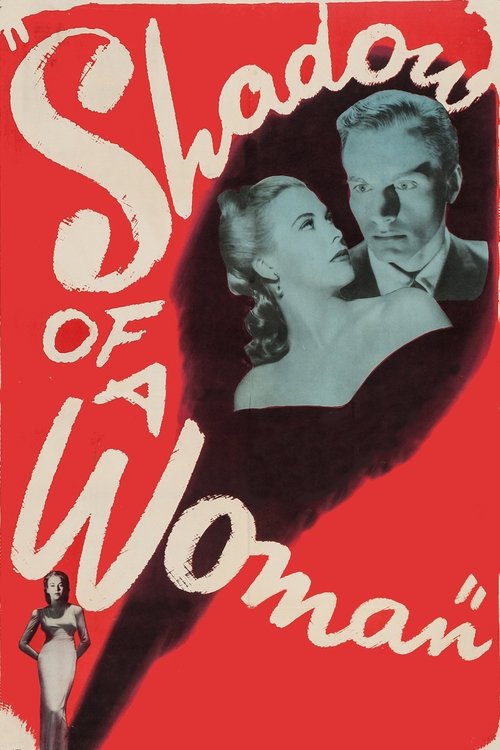
Shadow of a Woman
1946
No user ratings available yet
Diversity score: 2.1 out of 10

1954
ApprovedDirector
Jean Negulesco
Runtime
94 minutes
Average Rating
No ratings yetSynopsis
Needing to fill the position of general manager of his company, and believing that an executive's wife is crucial to her husband's success, auto industry mogul Gifford brings three couples to New York to size up: Jerry and Carol: he hard-driven and self-reliant, she willing to use her beauty to further her husband's career; Sid and Elizabeth, he ulcer-ridden and torn between achieving success and restoring their troubled marriage, she positive that his job will kill him, but gamely agreeing to play the good wife for the duration; and down-to-earth Bill, whose good-natured Katie fears that his promotion would spell the end of their idyllic familiy existence.
Overall Score
Limited
Category Breakdown
LGBTQ+ Representation
The film adheres to a strictly heteronormative structure typical of the 1950s. There is no depiction of same-sex intimacy or non-cisnormative identities.
Gender Representation
Women are portrayed as strategic architects of domestic life, yet their agency is often tied to male professional success. The narrative reinforces traditional hierarchies where wives serve as functional tools for their husbands' careers.
Racial & Ethnic Diversity
The production reflects the demographic homogeneity of mid-century Hollywood. The cast and setting are predominantly white, offering no engagement with non-Anglo-Saxon perspectives or racial integration.
Religious & Cultural Diversity
The story centers on the preservation of the nuclear family and capitalist success. It reinforces traditional Western institutions and conventional moral frameworks without deconstructing social norms.
Disability Representation
There is no discernible representation of physical, sensory, or neurodivergent disabilities. Characters are defined by socioeconomic status and marital roles rather than disability.
Strengths
Areas for Improvement
AI Analysis
Woman's World is a quintessential mid-century drama that prioritizes domestic stability and corporate ambition. While it offers psychological depth regarding marriage, it operates within a very narrow social framework. The film lacks intersectional complexity, presenting a demographic vacuum that excludes racial diversity and LGBTQ+ identities. It functions primarily as a reinforcement of the era's established social and gendered hierarchies. Ultimately, the work captures the specific social mores of 1954, focusing on how women navigate their roles to support male professional trajectories within a homogeneous Western landscape.
1946
1939
1951
1957
1955

1959
1934
1959

1934

1957
1994

1961
No reviews yet. Be the first to share your thoughts on this movie!
Use the rating form above to leave a star rating and optional review.