Lupin the Third: Episode 0: First Contact
2002
No user ratings available yet
Representation score: 6.0 out of 10
Representation Score
Good
2003
TV-PGDirector
Jun Kawagoe
Runtime
90 minutes
Average Rating
No ratings yetNew Showbiz Analysis
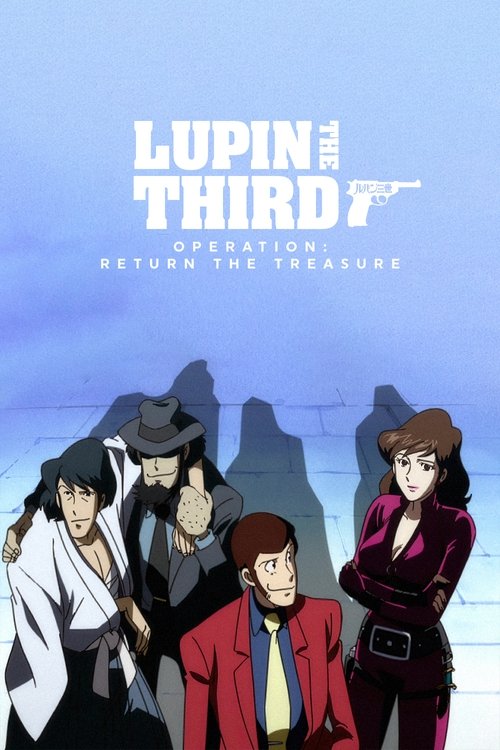
Lupin the Third: Operation: Return the Treasure is a genre-driven action-comedy that finds its progressive edge through character's ability to drive the story rather than explicit identity politics. The film excels in portraying female autonomy through Fujiko Mine, who operates as a competent, independent force within the heist narrative. However, the work remains traditionally structured regarding social hierarchies. Casting follows established franchise archetypes without intentional racial blending or diverse representation of disability. The focus remains on high-performance specialists in a globalized setting. Ultimately, the film's strength lies in its subversion of institutional authority. It celebrates anti-authoritarianism and moral ambiguity, offering a worldview where personal ability to act outweighs the rigid structures of law and order.
Category Breakdown
The story focuses on the established relationships among the main characters. There are no non-binary or LGBTQ+ identities or explicit same-sex romantic relationships. The dynamic remains centered on the traditional flirtation between Lupin and Fujiko.
Fujiko Mine stands out as a strong, independent woman who uses her intelligence and autonomy to navigate dangerous situations. She often outmaneuvers her male counterparts, challenging traditional gender roles.
The cast follows the established franchise archetypes and standard designs. While the film features international locations like Moscow, there is no indication of intentional racial blending. However, the film avoids harmful ethnic stereotypes.
The narrative challenges the idea of institutional authority by presenting criminal activities as adventures. It emphasizes personal ability to act and situational ethics over strict laws. This reflects a secular, morally relative perspective through the gentleman thief archetype.
Characters are depicted as peak-performance archetypes suitable for high-action crime scenarios. There is no visible or invisible disability portrayed with central ability to act. The film does not address neurodivergence or physical disabilities.
Present on Screen
Limited or Absent
Official Synopsis
After robbing a Moscow casino right under Zenigata's nose, Lupin is given a job to return 6 treasures to their original areas for an old friend of his, so Lupin can receive an even better treasure to gain.
2002
1979
1993

2019

1995

1989
2004
1996
No reviews yet. Be the first to share your thoughts on this movie!
Use the rating form above to leave a star rating and optional review.