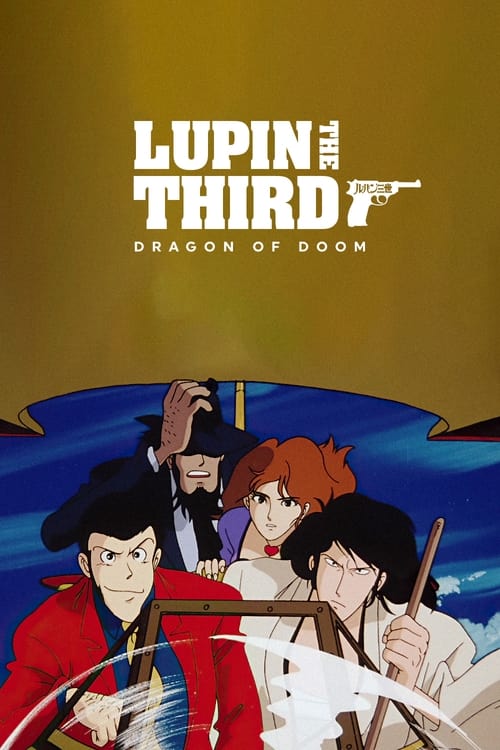
Lupin the Third: Dragon of Doom
1994
No user ratings available yet
Representation score: 5.0 out of 10

Representation Score
Fair
1999
UnratedDirector
Setsuo Takase, Shinichi Watanabe
Runtime
92 minutes
Average Rating
No ratings yetNew Showbiz Analysis
The film relies heavily on established genre clichés and traditional character archetypes. While the protagonists operate outside conventional legal frameworks, the narrative lacks depth in representing diverse identities or challenging traditional hierarchies. Gender dynamics center around the femme fatale archetype, and the cast remains largely homogeneous. The adventure focuses on the pursuit of a mystical relic rather than social subversion. Ultimately, the work functions as a self-contained adventure that prioritizes genre-driven momentum over the representation of diverse identities or the dismantling of traditional hierarchies.
Category Breakdown
The story does not include explicit LGBTQ+ characters or non-straight relationships. The interpersonal dynamics focus on the traditional tension between Lupin and Fujiko Mine.
Fujiko Mine uses the femme fatale cliché, exercising significant influence through seduction and deception. The narrative remains largely male-centric, driven by the male protagonists' responses to her.
The main cast is largely homogeneous, reflecting the Japanese origins of the franchise. Although the setting is global, there is no concerted effort towards diverse casting.
The film explores moral relativism by framing professional theft as a specialized vocation rather than a moral failing. It operates within its own adventurous morality.
There is no notable focus on physical or neurodivergent representation. Characters with disabilities are not present as significant narrative elements.
Present on Screen
Limited or Absent
Official Synopsis
When Fujiko secures a file that documents the location of the fabled Columbus Egg – a mystical relic that controls the weather – she quickly recruits Lupin and the gang to track down the long-lost treasure. Unfortunately, her memory of Lupin and his friends are wiped out almost entirely. Can the gang restore Fujiko’s memory before the Egg falls into the hands of a madman?
1994
1979

2008

2019

2002
1986
2010
2013
No reviews yet. Be the first to share your thoughts on this movie!
Use the rating form above to leave a star rating and optional review.