
Lupin the Third: Greatest Capers
1995
No user ratings available yet
Representation score: 3.7 out of 10
Representation Score
Fair
1996
PG-13Director
Kazuhiko Kato, Hiroyuki Yano
Runtime
95 minutes
Average Rating
No ratings yetNew Showbiz Analysis
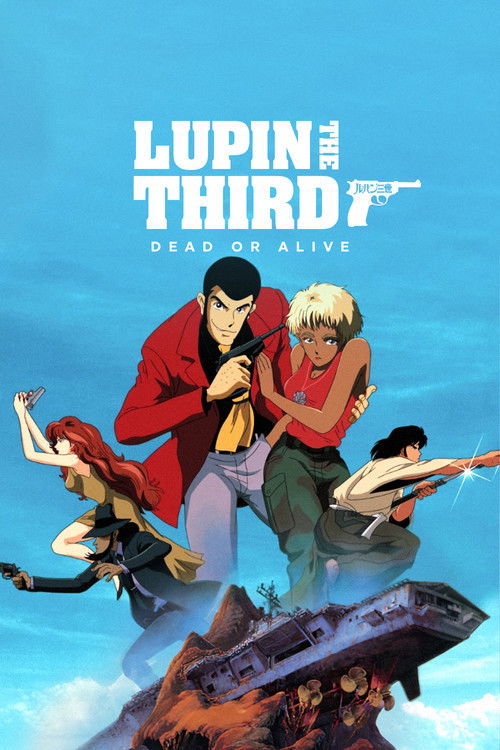
Lupin the Third: Dead or Alive is a genre-bending heist adventure that excels at subverting traditional character archetypes. It succeeds in presenting a female lead who play a significant role in driving the story and uses a moral relativist lens to challenge institutional authority. However, the film operates within a very narrow demographic framework. The lack of diverse representation and the homogeneous cast prevent it from achieving a higher diversity rating. Ultimately, the work is a culturally specific heist story that prioritizes individualistic ability to act over systemic order, though it remains limited in its social representation.
Category Breakdown
The story lacks explicit LGBTQ+ characters or non-cisgender identities. Interpersonal dynamics focus on heterosexual tensions between the main cast and Fujiko Mine.
Fujiko Mine challenges traditional gender roles by acting as an independent agent of chaos. She possesses significant influence and tactical intelligence, disrupting male-dominated power structures.
The cast maintains a homogeneous Japanese identity. Despite international travel in the narrative, the film does not use diverse casting to challenge Anglo-centric norms.
The film explores moral relativism by portraying thieves as likable rogues. It critiques state institutions by depicting authority figures as corrupt or insane.
No visible or invisible disabilities are portrayed as central to the narrative. There are no instances of disability being used as a plot device.
Present on Screen
Limited or Absent
Official Synopsis
When Lupin heads to the kingdom of Zufu to pilfer its treasure, he incurs the wrath of its psychotic ruler General Headhunter, who places a dead-or-alive bounty on his head.
1995
1979
2004
2019
2018
2003

2014

1987
No reviews yet. Be the first to share your thoughts on this movie!
Use the rating form above to leave a star rating and optional review.