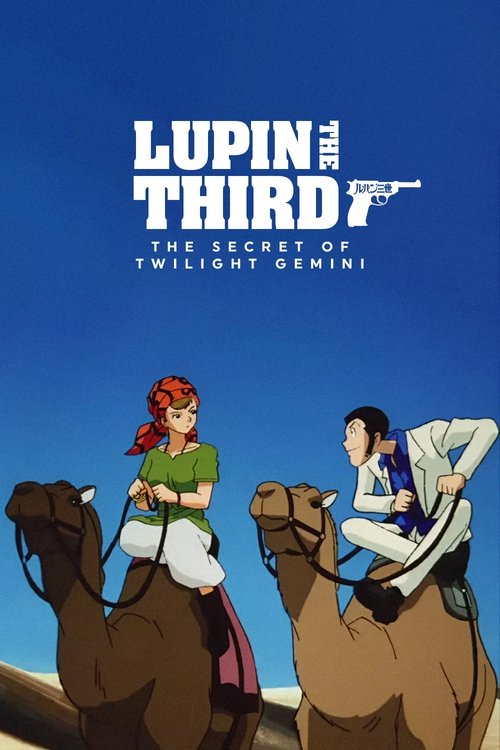
Lupin the Third: The Secret of Twilight Gemini
1996
No user ratings available yet
Representation score: 6.2 out of 10

Representation Score
Good
2002
PG-13Director
Mamoru Hamatsu
Runtime
49 minutes
Average Rating
No ratings yetNew Showbiz Analysis
Lupin the Third: Return of Pycal is a conventional action film that emphasizes character-driven adventure over sociopolitical commentary. Its progressive value lies in its narrative structure, which favors moral ambiguity and individual ability to act over rigid legal hierarchies. Despite the lack of significant LGBTQ+ or racial diversity, the film finds strength in its portrayal of Fujiko Mine. Her character subverts traditional gender roles, providing a more nuanced view of female empowerment compared to typical action clichés. Overall, the film remains rooted in the established franchise's archetype, focusing on the lifestyle of the 'gentleman thief' rather than promoting intentional demographic diversity.
Category Breakdown
The film does not include any identifiable LGBTQ+ characters or explore non-straight relationships. The interpersonal dynamics focus on the established romantic tension between Lupin and Fujiko Mine within traditional frameworks.
Fujiko Mine provides strong representation as an independent and influential woman. She uses her intelligence and sexuality to navigate power structures, challenging traditional stereotypes of submissive females in action films.
The cast is predominantly Japanese, with few characters from diverse racial backgrounds. The narrative does not significantly blend different races or promote multi-layered diversity.
The film challenges traditional legal systems by emphasizing personal ability to act and situational ethics. It portrays a world where individual choices and circumstances outweigh formal laws and institutional authority.
The film does not feature any characters with visible or invisible disabilities. The cast includes high-functioning, able-bodied individuals without addressing neurodivergence or physical impairments.
Present on Screen
Limited or Absent
Official Synopsis
Lupin steals an extraordinary gem from a Mediterranean party, only to be interrupted by Pycal, the trickster "magician" who had apparently died fighting Lupin early in his career. Pycal, now armed with real magical abilities, is determined to take revenge.
1996
1979
1996

2019
2008
2003
2004
1989
No reviews yet. Be the first to share your thoughts on this movie!
Use the rating form above to leave a star rating and optional review.