Night Club Girl
1945
No user ratings available yet
Representation score: 1.2 out of 10
Representation Score
Limited
1938
ApprovedDirector
Aubrey Scotto
Runtime
64 minutes
Average Rating
No ratings yetNew Showbiz Analysis
Little Miss Roughneck adheres to the social hierarchies of the 1930s studio system, prioritizing established archetypes over narrative subversion. While the protagonist offers a slight departure from the delicate girlhood stereotype, the film remains anchored in the conventions of its time. The film's diversity is limited by its reliance on ethnic and gender clichés. The inclusion of a Mexican character serves more as a localized cliché than a meaningful exploration of ethnic ability to act. Overall, the narrative reinforces traditional structures, focusing on capitalist pursuits and conventional family dynamics without challenging the status quo.
Category Breakdown
The film follows the traditional heterosexual pairings typical of the Golden Age era. There is no representation of LGBTQ+ identities or non-assuming gender matches what was assigned at birth subtext.
Foxine LaRue's tomboyish persona slightly deviates from the delicate girlhood stereotype. However, her role is limited by the stage mother cliché, where maternal ambition controls her actions.
Pascual's character is based on ethnic archetypes, serving more as a localized cliché than a meaningful exploration of his ethnic background.
The story emphasizes traditional family structures and capitalist pursuits without challenging the status quo. It reinforces conventional morality and family dynamics.
No visible or invisible disabilities are portrayed within the main character arcs.
Present on Screen
Limited or Absent
Official Synopsis
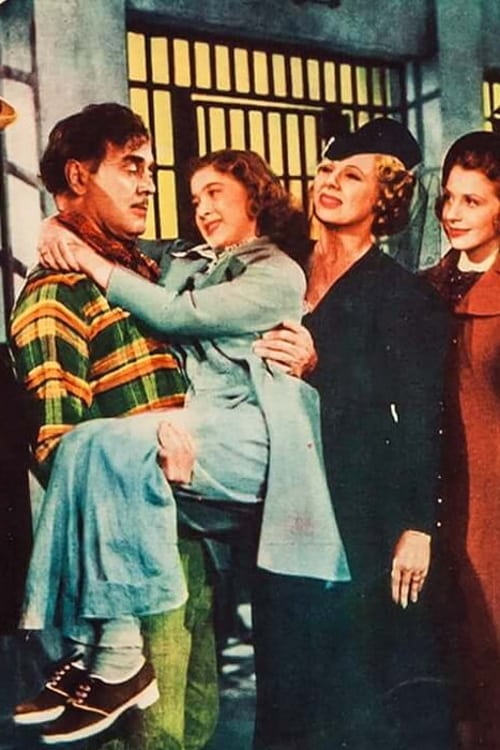
Sad-eyed, uniquely talented child actress Edith Fellows was Columbia's "answer" to Shirley Temple, Jane Withers and Deanna Durbin. In Little Miss Roughneck, Fellows is cast as Foxine LaRue, a tomboyish sort who is being prodded into a show-biz career by her stage mother Gert (Margaret Irving). Young Mr. Partridge (Scott Colton) becomes Foxine's agent, principally because he's sweet on the girl's older sister Mary (Jacqueline Wells). Blackballed from Hollywood because of her mother's pushiness, Foxine tries to help out Partridge and her own family by cooking up a bizarre publicity stunt, enlisting the aid of easy-going Mexican "papacita" Pascual (Leo Carrillo).
1945
1943
1942
1951
1936
1936
1941
1938
No reviews yet. Be the first to share your thoughts on this movie!
Use the rating form above to leave a star rating and optional review.