Bridal Suite
1939
No user ratings available yet
Representation score: 0.8 out of 10
Representation Score
Minimal
1936
Director
Paul Martin
Runtime
93 minutes
Average Rating
No ratings yetNew Showbiz Analysis
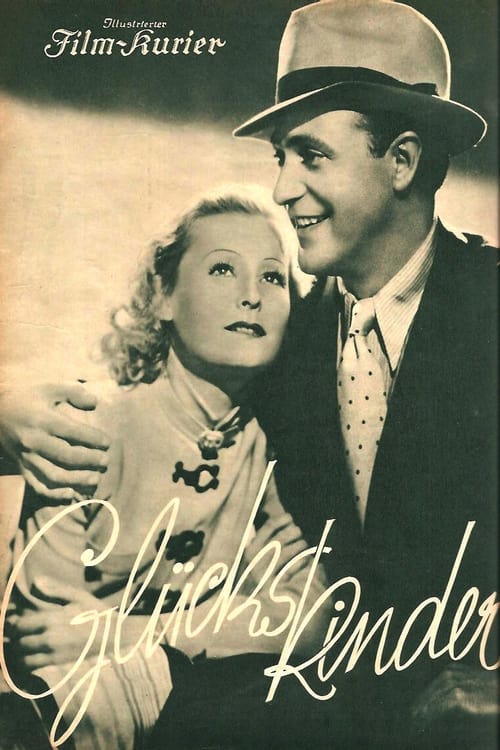
Lucky Kids is a quintessential 1930s musical comedy that prioritizes escapist romance over social complexity. While the female lead possesses professional identity, the narrative remains tethered to conservative social hierarchies and traditional gender roles. The film's world is culturally homogeneous, focusing on a localized romantic arc within established Western institutions. It lacks any significant representation of LGBTQ+ identities or racial diversity, reflecting the era's cinematic standards. Ultimately, the film functions as a lighthearted romantic comedy where social structures like marriage serve as the primary mechanism for plot resolution.
Category Breakdown
The film follows a strictly heterosexual relationship framework, focusing solely on the spontaneous marriage between a male songwriter and a female actress.
Ann Garden demonstrates professional independence as an actress, yet her legal troubles are resolved through a male protagonist's intervention. The story ultimately relies on traditional romantic unions.
The cast and setting reflect a homogeneous social environment typical of 1936 German cinema. There is no evidence of diverse ethnic identities or racial blending.
The narrative utilizes Western social institutions, such as the legal system and marriage, as comedic catalysts. These structures are presented as stabilizing rather than oppressive.
The film provides no evidence regarding the inclusion of characters with physical or neurodivergent disabilities.
Present on Screen
Limited or Absent
Official Synopsis
After completing work on the British musical Invitation to the Waltz, Lillian Harvey returned to her adopted country of Germany to star in the comedy-with-music Glueckskinder (Children of Fortune). Harvey plays Ann Garden, an unemployed actress who ends up in night court on a loitering charge. Here she meets Gil Taylor (Willy Fritsch), a struggling songwriter temporarily employed as a court reporter. Hoping to keep her out of jail, Gil impulsively tells the judge that he's engaged to Ann -- whereupon the judge, equally impulsively, marries the couple on the spot! After this inauspicious start, Ann and Gil embark upon a rocky (but tuneful) whirlwind romance.
1939
1937
1940

1936
1933
1933
1936
1935
No reviews yet. Be the first to share your thoughts on this movie!
Use the rating form above to leave a star rating and optional review.