
The Time, The Place and The Girl
1946
No user ratings available yet
Representation score: 1.8 out of 10
Representation Score
Limited
1938
PassedDirector
Edwin L. Marin
Runtime
91 minutes
Average Rating
No ratings yetNew Showbiz Analysis
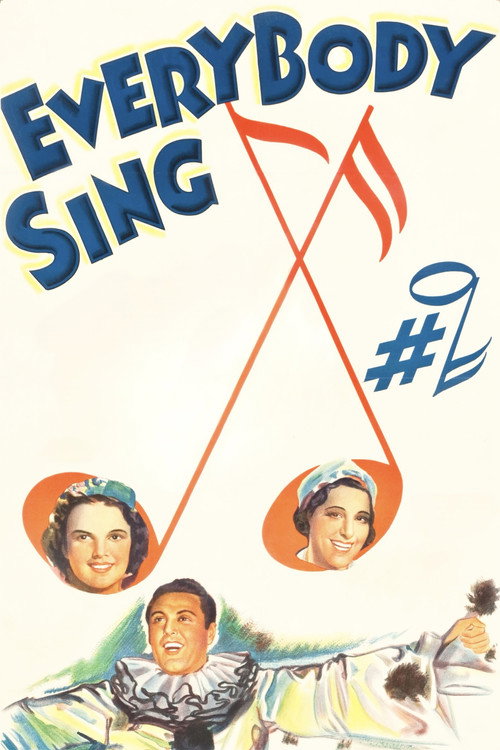
Everybody Sing represents a typical 1938 studio-era musical comedy, focusing on individual ambition and musical performance within established commercial frameworks. The film's diversity is marked by a contrast between conventional romantic narratives and the inclusion of African American performers. While it upholds traditional gender roles and heterosexual relationships, the presence of independent Black performers adds a layer of representation beyond the norm of the era. Ultimately, the film reinforces existing social hierarchies and Western values, functioning as a celebration of meritocracy without challenging systemic power dynamics.
Category Breakdown
The film follows traditional heterosexual relationships without showing any non-binary gender identities or same-sex intimacy.
Judy Bellaire shows independence by defying authority and pursuing a career. However, her success is tied to romantic relationships and family issues.
Including Cab Calloway and his orchestra provides significant visibility for African American performers, breaking the uniformity common in studio productions of the time.
The narrative focuses on professional aspirations and musical performances within traditional Western values, celebrating the meritocratic path to stardom.
There are no depictions of characters with physical or cognitive disabilities in the film.
Present on Screen
Limited or Absent
Official Synopsis
Boisterous teen Judy Bellaire is expelled from her all-female boarding school for convincing her fellow school chorus members to sing a classical piece with a modern swing beat. She returns to her dysfunctional home, dejected, but, with the encouragement of her family's cook, Judy decides to follow her dream and audition for a Broadway musical.
1946

1933

1947

1933

1944

1953

1936
1948
No reviews yet. Be the first to share your thoughts on this movie!
Use the rating form above to leave a star rating and optional review.