Zis Boom Bah
1941
No user ratings available yet
Representation score: 1.1 out of 10
Representation Score
Minimal
1943
ApprovedDirector
Arthur Dreifuss
Runtime
63 minutes
Average Rating
No ratings yetNew Showbiz Analysis
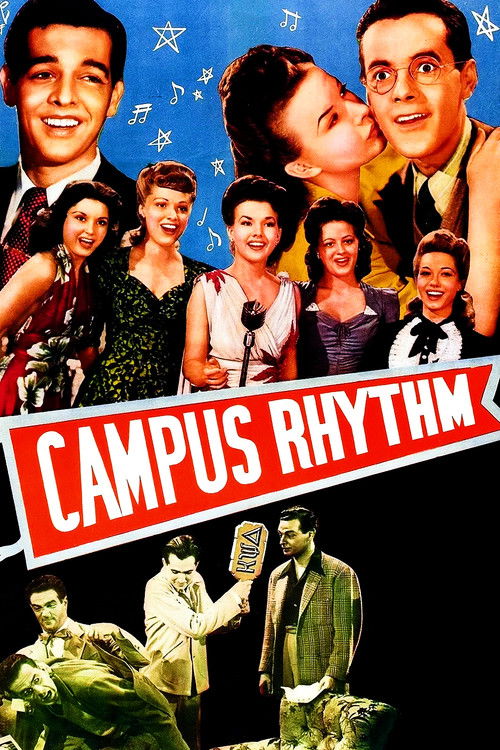
Campus Rhythm is a conventional 1940s musical comedy that follows standard identity clichés. The plot centers on a protagonist seeking personal autonomy against commercial exploitation. While the film explores themes of individual ability to act, it remains rooted in the era's traditional romantic-comedy structures. The narrative reflects the social hierarchies of the studio system rather than challenging them. Ultimately, the film functions as a genre piece that prioritizes escapism and conventional social frameworks over progressive storytelling.
Category Breakdown
The film does not include any characters with non-straight sexual orientations or same-sex relationships. The romantic comedy genre may reinforce traditional relationship structures.
Joan Abbott shows independence by pursuing education despite a restrictive contract. However, her independence is limited by a male guardian's financial control.
The story suggests a homogeneous social environment typical of 1940s studio casting. There are no multi-ethnic or diverse cast members indicated.
The story focuses on Western social institutions like college and commercial contracts. It prioritizes individual desire against established capitalist-era obligations.
There is no information regarding the inclusion or portrayal of characters with physical or neurodivergent disabilities.
Present on Screen
Limited or Absent
Official Synopsis
Radio singer Joan Abbott, known as the "Crunchy-Wunchy Thrush", does not want to renew her contract with the cereal sponsor, as she wants to go to college. But her guardian, her Uncle Willie signs the contract in order to pay off his own debts. But this time Joan won't take no for an answer and enrolls under an assumed name. When Joan goes missing, the radio institutes a search for Joan via a publicity stunt.
1941
1944
1942
1942
1940

1936
1945
1943
No reviews yet. Be the first to share your thoughts on this movie!
Use the rating form above to leave a star rating and optional review.