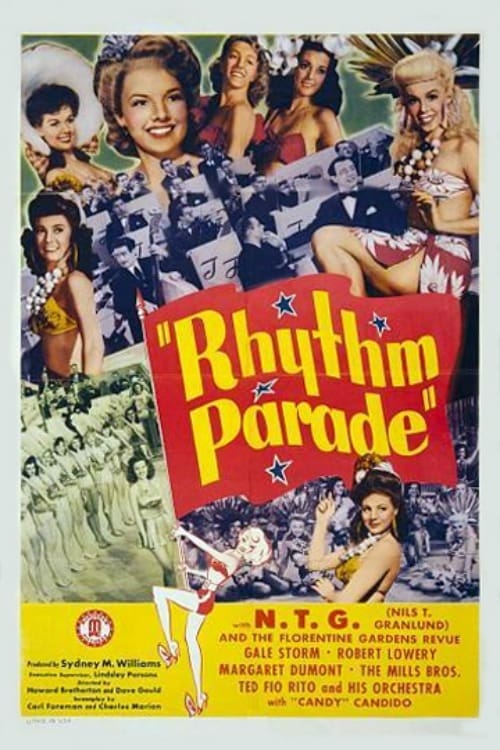
Rhythm Parade
1942
No user ratings available yet
Diversity score: 2.7 out of 10
No Poster Available
1951
ApprovedDirector
William Beaudine
Runtime
78 minutes
Average Rating
No ratings yetSynopsis
Cuban Fireball is a vehicle for the combustible talents of Estelita Rodriguez, here cast as "herself." The plot finds Estelita arriving in Los Angeles to claim a multimillion-dollar inheritance. To fend off fortune hunters, she disguises herself as a meek little old lady.
Overall Score
Limited
Category Breakdown
LGBTQ+ Representation
The film follows conventional romantic comedy tropes of the 1950s. There are no LGBTQ+ characters or narratives present that critique heteronormativity.
Gender Representation
Estelita Rodriguez provides a central female lead who uses cleverness to outmaneuver fortune hunters. However, her reliance on a 'meek little old lady' disguise leans on traditional feminine archetypes.
Racial & Ethnic Diversity
The film features a prominent Latina performer in the lead role, departing from the era's typical Anglo-Saxon casting. This provides a platform for Cuban ethnic specificity.
Religious & Cultural Diversity
The narrative functions as a standard escapist musical comedy rooted in capitalist themes of wealth and inheritance. It aligns with mid-century Western cinematic norms.
Disability Representation
There are no visible or invisible disabilities portrayed within the narrative.
Strengths
Areas for Improvement
AI Analysis
Cuban Fireball offers a notable instance of ethnic specificity for 1951 by centering on a Latina performer. Estelita Rodriguez's presence breaks the era's trend of homogeneous casting, providing a rare platform for a Cuban character in a Hollywood production. However, the film remains deeply tethered to the social and institutional frameworks of its time. While the protagonist displays agency, she does so through traditional comedic tropes and capitalist motivations, such as the pursuit of a multimillion-dollar inheritance. Ultimately, the film serves as a commercial musical comedy rather than a work of social disruption. It utilizes ethnic identity within a standard studio system structure without challenging broader systemic hierarchies.
1942

1956
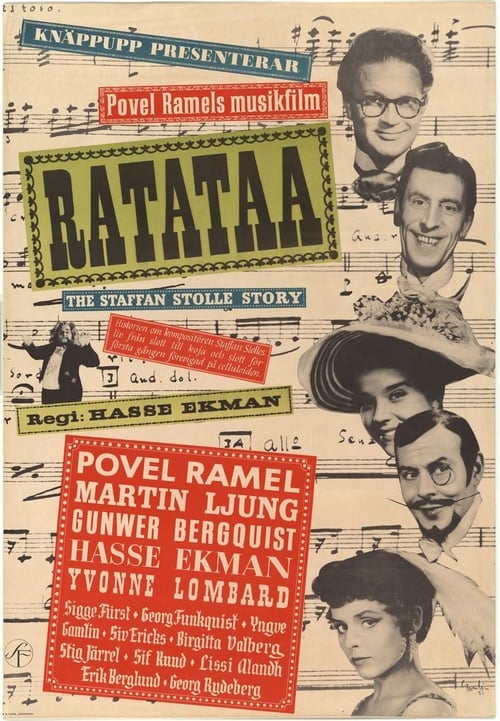
1956
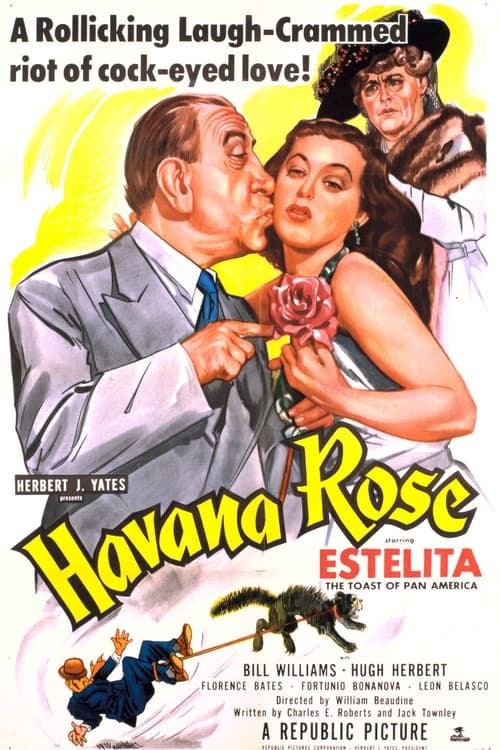
1951
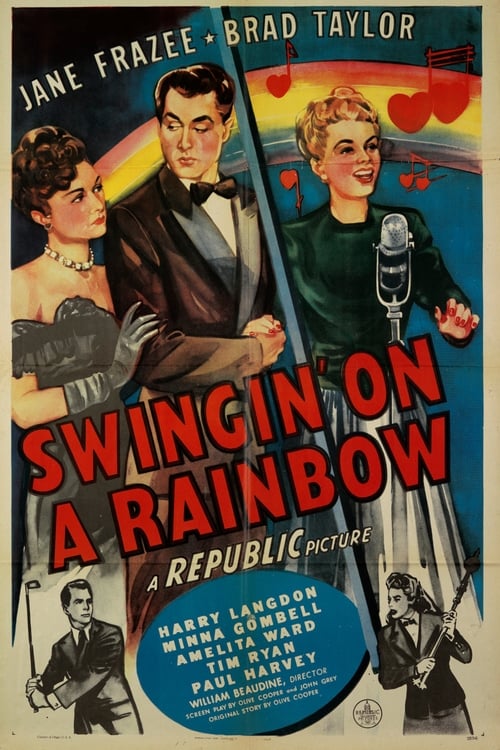
1945
No reviews yet. Be the first to share your thoughts on this movie!
Use the rating form above to leave a star rating and optional review.