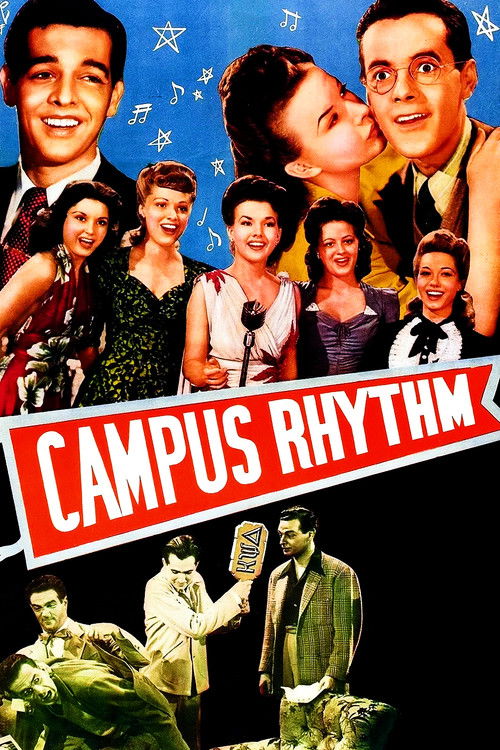
Campus Rhythm
1943
No user ratings available yet
Diversity score: 2.4 out of 10
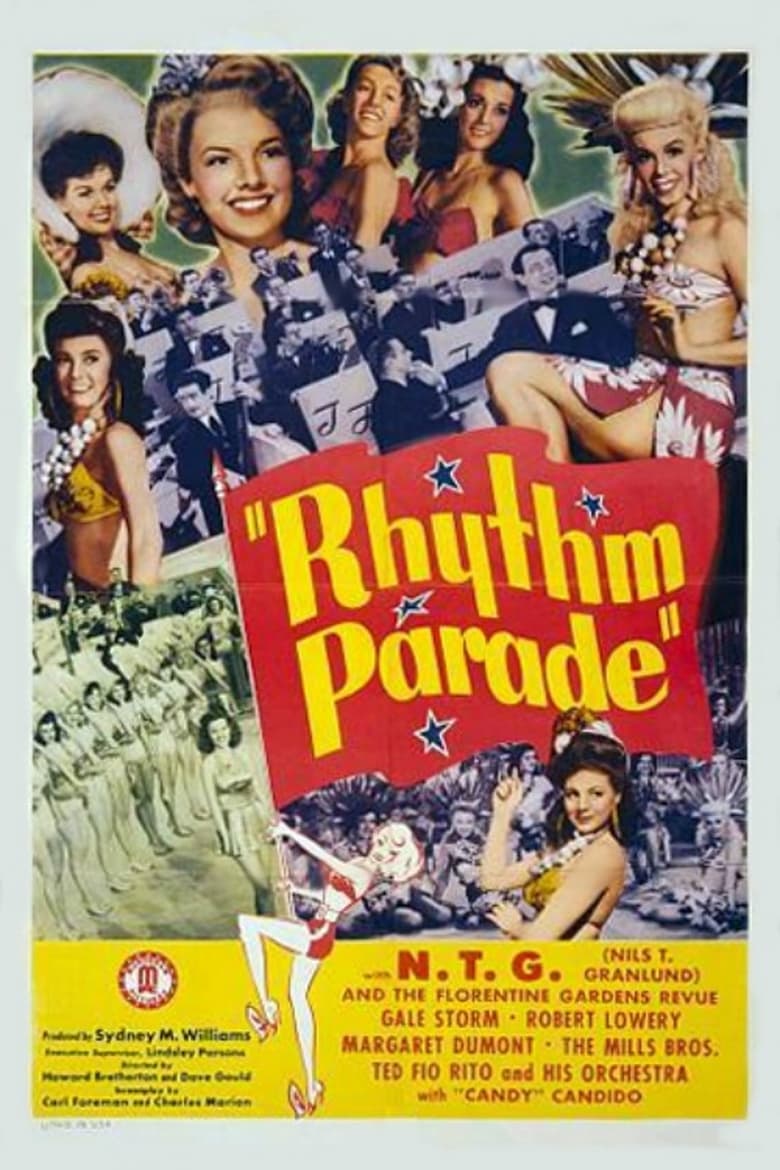
1942
ApprovedDirector
Dave Gould, Howard Bretherton
Runtime
68 minutes
Average Rating
No ratings yetSynopsis
A showgirl trying to advance her career must hide the fact she is caring for a baby. With N.T.G. and The Florentine Gardens Revue, Ted Fio Rito and his Orchestra, the Mills Brothers, and Candy Candido (The Man of a Thousand Voices).
Overall Score
Limited
Category Breakdown
LGBTQ+ Representation
The film lacks any evidence of non-cisnormative identities. It operates within a traditional 1940s romantic comedy framework that reinforces conventional social structures.
Gender Representation
A showgirl pursues professional success while hiding her motherhood. While she shows ambition, the plot reinforces traditional expectations regarding female domesticity and public presence.
Racial & Ethnic Diversity
Musical acts like The Mills Brothers and Candy Candido provide racial integration. However, characters of color do not appear to drive the primary plot or hold high-agency roles.
Religious & Cultural Diversity
The film focuses on mid-century escapism and social cohesion. It upholds standard moral hierarchies rather than deconstructing Western institutions or exploring secularism.
Disability Representation
There is no discernible evidence regarding the portrayal of physical or neurodivergent disabilities in this production.
Strengths
Areas for Improvement
AI Analysis
Rhythm Parade is a product of the 1942 studio system, prioritizing musical spectacle and genre tropes over social critique. While the film offers some racial inclusion through its musical performers, it lacks deep character integration for diverse groups. The narrative structure largely reinforces the era's status quo. The central conflict for the female lead highlights the tension between professional ambition and domestic expectations, a common theme of the period. Ultimately, the film functions as escapist entertainment. It lacks the intersectional complexity or subversion of traditional hierarchies necessary to move beyond a conventional social framework.
1943
1945
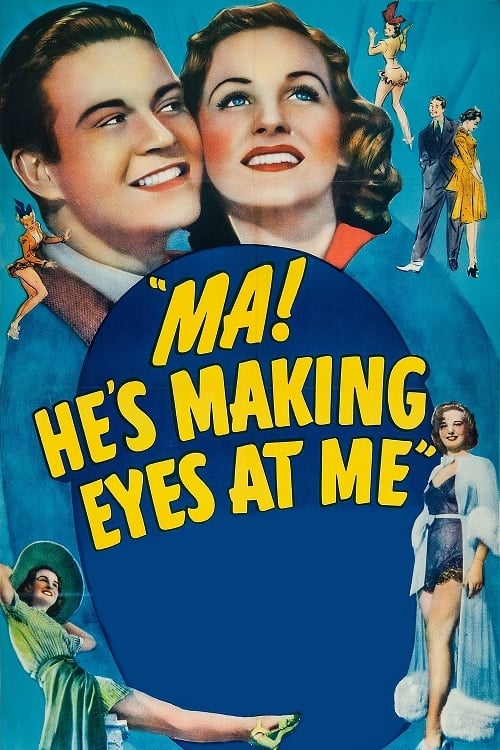
1940
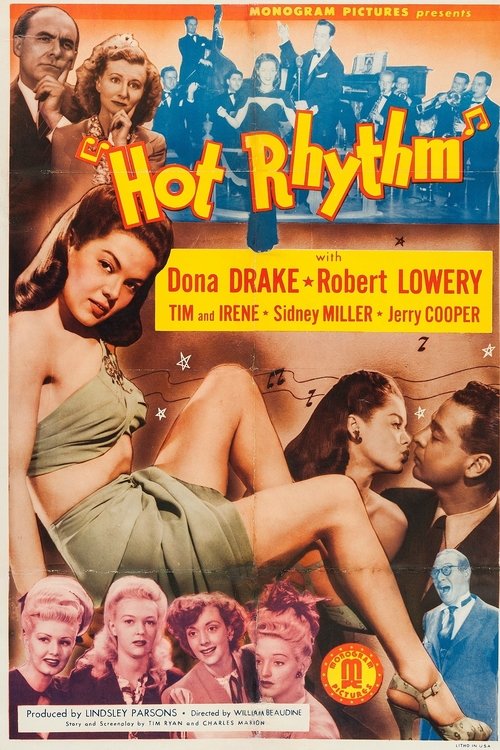
1944
No reviews yet. Be the first to share your thoughts on this movie!
Use the rating form above to leave a star rating and optional review.