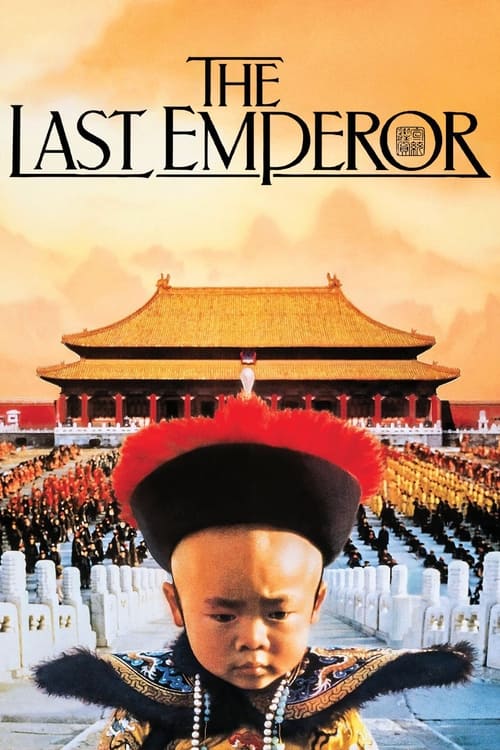
The Last Emperor
1987
No user ratings available yet
Representation score: 6.1 out of 10
Representation Score
Limited
1997
PG-13Director
Martin Scorsese
Runtime
134 minutes
Average Rating
No ratings yetNew Showbiz Analysis
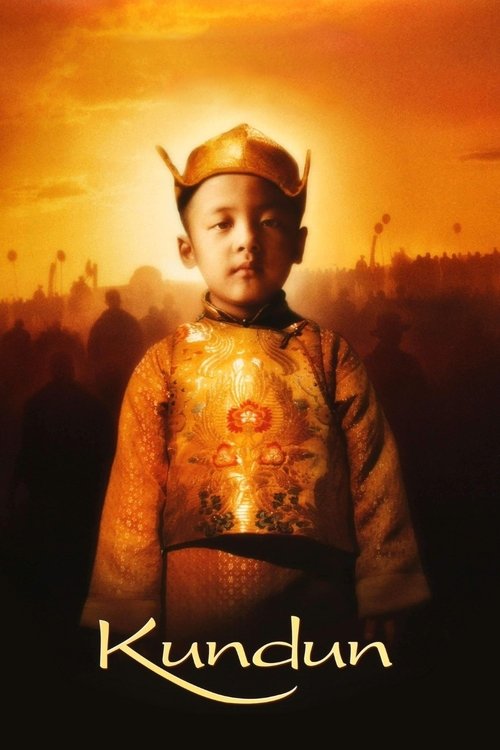
Martin Scorsese’s *Kundun* is a powerful piece of cinematic documentation that disrupts Western-centric historical epics. By centering Tibetan identity and indigenous spiritual structures, the film provides a profound exploration of a culture fighting for sovereignty against political hegemony. The film's primary strength lies in its racial and cultural authenticity. It avoids treating Tibetan life as a static backdrop, instead presenting a complex, living culture through authentic rituals and a dedicated cast. However, the film is limited by its specific historical and monastic focus. The narrative remains centered on male-dominated hierarchies, resulting in a lack of gender diversity and no representation of LGBTQ+ identities.
Category Breakdown
The film focuses exclusively on the monastic traditions of Tibetan Buddhism. It does not include LGBTQ+ characters or non-assuming gender matches what was assigned at birth identities.
The narrative is set within a male-dominated monastic hierarchy. While historically accurate, the film lacks significant women's ability to drive the story or subversion of gender roles.
The film excels in authentic ethnic representation by prioritizing a Tibetan cast. It centers a non-Western culture and its struggle for sovereignty against external political encroachment.
This is a rigorous anti-imperialist narrative focusing on the suppression of Tibetan spiritual autonomy. It prioritizes the preservation of indigenous traditions against encroaching secular ideologies.
There are no prominent depictions of visible or invisible disabilities that drive the plot or serve as central character traits.
Present on Screen
Limited or Absent
Official Synopsis
From childhood to adulthood, Tibet's fourteenth Dalai Lama deals with Chinese oppression and other problems.
1987

1959
1993
1989
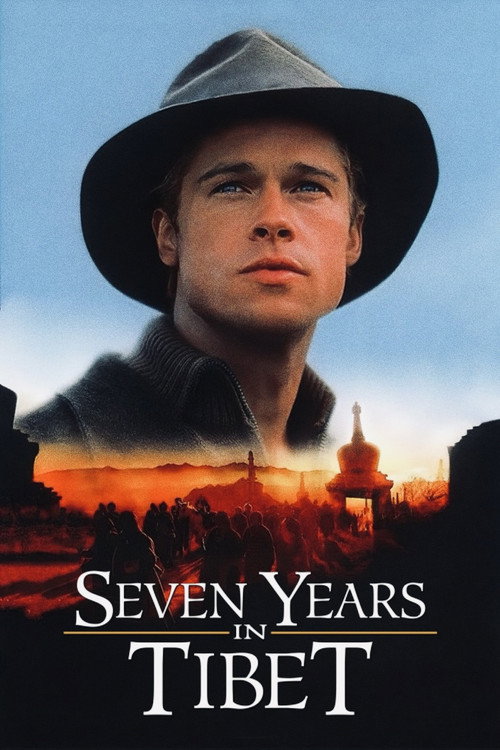
1997
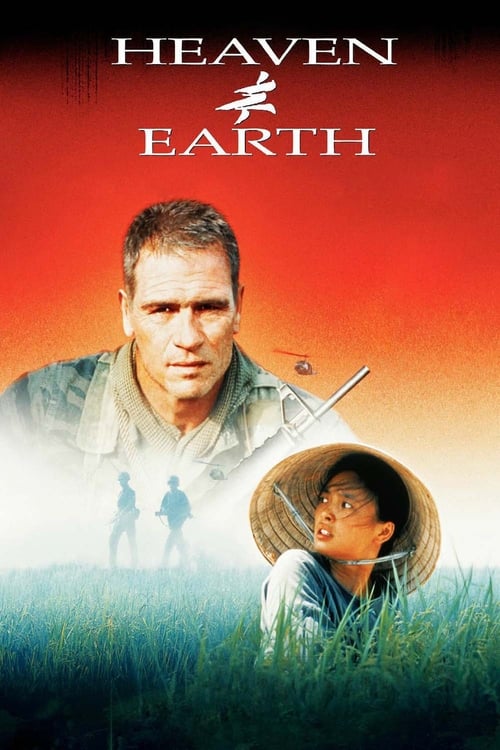
1993

2013
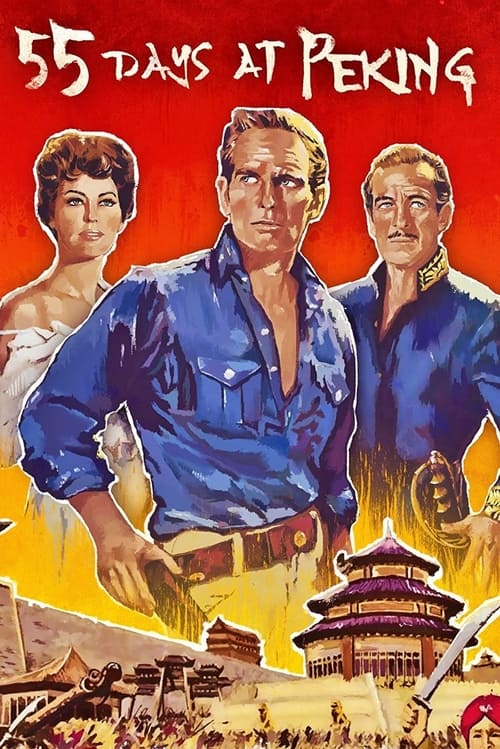
1963
No reviews yet. Be the first to share your thoughts on this movie!
Use the rating form above to leave a star rating and optional review.