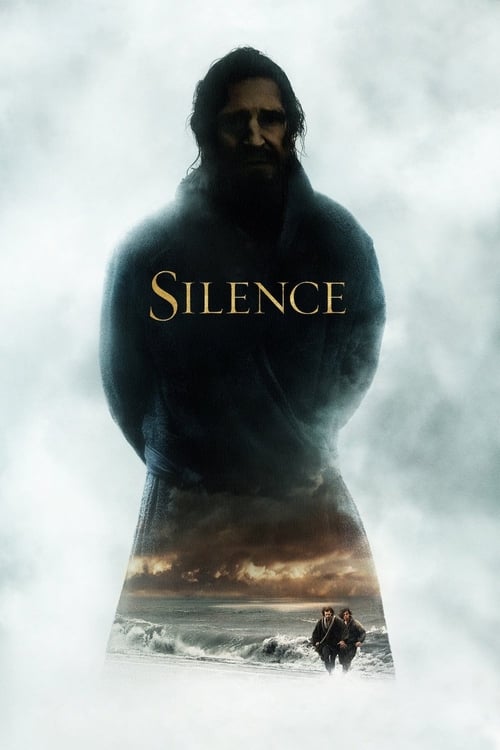
Silence
2016
No user ratings available yet
Representation score: 2.9 out of 10
Representation Score
Fair
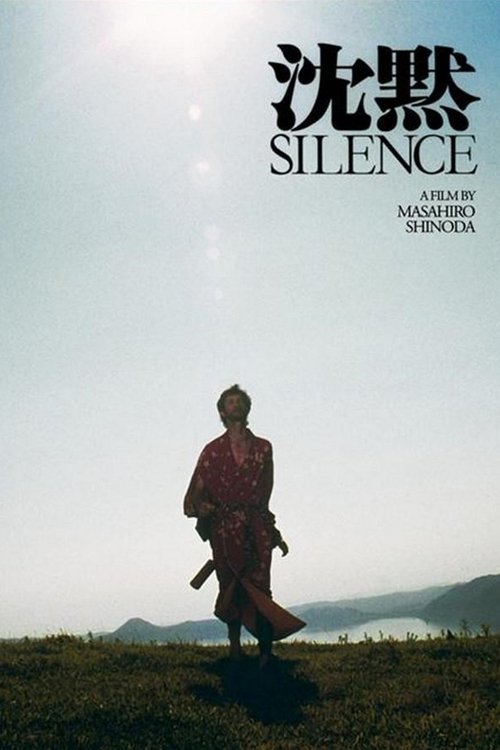
1971
Director
Masahiro Shinoda
Runtime
130 minutes
Average Rating
No ratings yetNew Showbiz Analysis
Masahiro Shinoda’s *Silence* is a profound exploration of Western ideological imposition versus indigenous sovereignty. It avoids the 'civilizing mission' cliché, presenting a sophisticated clash between Portuguese Jesuits and the Japanese state. The film excels in its cultural deconstruction, challenging the perceived supremacy of Western religious institutions. By focusing on the friction of post-colonial encounters, it offers a nuanced view of how foreign dogma disrupts established civilizations. However, the film is limited by its historical setting, resulting in a narrative dominated by male characters and a lack of queer representation. Additionally, while it explores the suffering of the peasantry, it does so as a backdrop rather than a source of character's ability to drive the story.
Category Breakdown
The film focuses solely on the spiritual and physical struggles of male protagonists. There are no depictions of queer identities or any hints at non-straight relationships.
The narrative is driven by male characters, adhering to 17th-century hierarchies where women play minor roles in the central theological and political conflicts.
The film masterfully captures the clash between Portuguese missionaries and the Japanese populace. It portrays the Japanese state as a sophisticated entity defending its cultural integrity.
Shinoda critiques the imposition of foreign dogma by placing Western religious institutions in conflict with the Tokugawa Shogunate. It favors nuanced, situational ethics over absolute certainty.
The physical suffering of the peasantry is depicted, serving as a backdrop to theological themes rather than giving characters specific roles or ability to act.
Present on Screen
Limited or Absent
Official Synopsis
In 17th-century Japan, two Portuguese Jesuit priests seek their mentor, who is rumoured to have committed apostasy, and to propagate Catholicism.
2016

1991
1966

1963
1962
1950
1947
2023
No reviews yet. Be the first to share your thoughts on this movie!
Use the rating form above to leave a star rating and optional review.