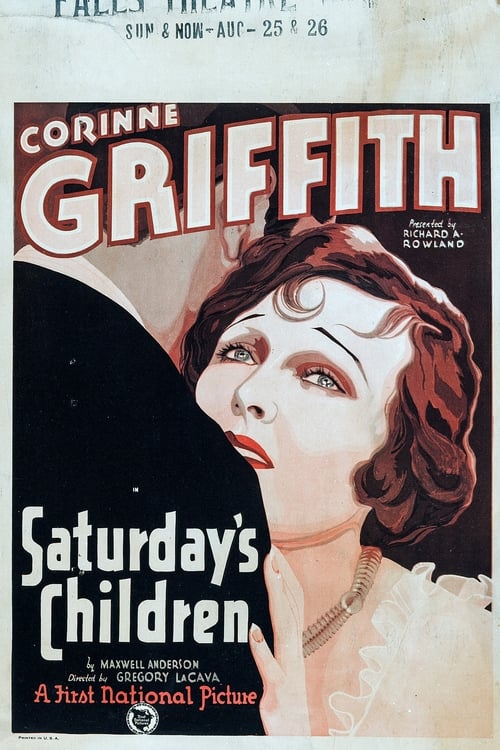
Saturday's Children
1929
No user ratings available yet
Representation score: 1.9 out of 10
Representation Score
Limited
1928
PassedDirector
Millard Webb
Runtime
50 minutes
Average Rating
No ratings yetNew Showbiz Analysis
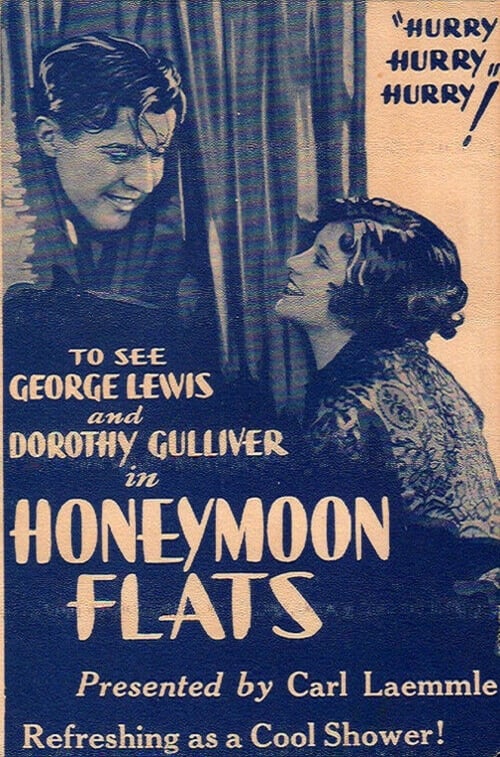
Honeymoon Flats is a conventional silent comedy that operates within the established social hierarchies of the late 1920s. The narrative centers on traditional themes of marriage, class mobility, and familial pressure, offering little in the way of challenging or multi-layered storytelling. The film's focus on a mother's desire for her daughter to marry into wealth reinforces period-specific gender roles and economic dependencies. It prioritizes domestic clichés and social aspiration over diverse representation or the deconstruction of social norms. Ultimately, the production aligns with standard studio comedies of its era, reflecting a homogeneous demographic and a worldview rooted in traditional social structures.
Category Breakdown
The film does not include any characters with non-binary gender identities or same-sex relationships. The plot revolves around marriage and family life, following the traditional heterosexual norms of the 1920s.
A strong female character drives the plot by interfering in her daughter's life. While the mother plays a significant role, her actions reinforce traditional gender roles and economic dependencies tied to marriage.
There is no indication of a diverse or non-Anglo-Saxon cast. The film likely reflects the homogeneous demographic norms typical of 1928 American silent comedies.
The story examines class and economic status through the lens of social climbing. It functions as a character study of social aspiration without critiquing Western institutions.
The film provides no information regarding the inclusion or portrayal of characters with physical or neurodivergent disabilities.
Present on Screen
Limited or Absent
Official Synopsis
Disappointed that her daughter has not married into money, a mother meddles trying to make the girl unhappy with life in her new home, the economical housing development known as Honeymoon Flats.
1929

1938

1929

1934

1937

1920

1937

1920
No reviews yet. Be the first to share your thoughts on this movie!
Use the rating form above to leave a star rating and optional review.