Ladies at Play
1926
No user ratings available yet
Representation score: 2.8 out of 10
Representation Score
Fair
1925
PassedDirector
Edwin Carewe
Runtime
80 minutes
Average Rating
No ratings yetNew Showbiz Analysis
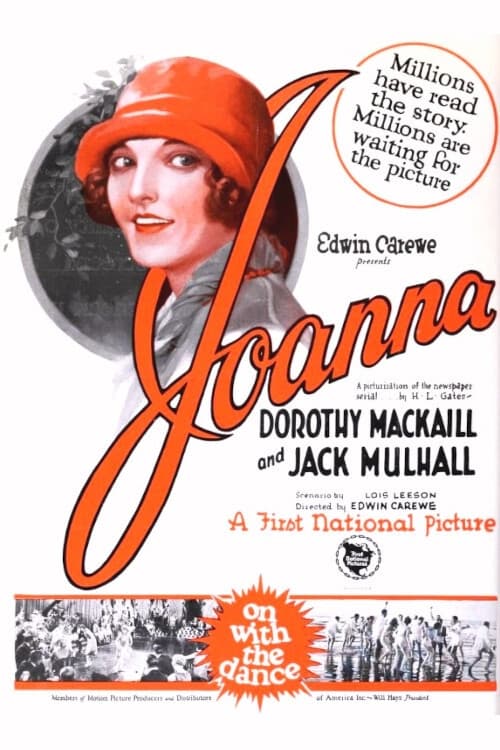
Joanna (1925) is a film characterized by a tension between its traditional romantic storyline and its progressive creative direction. While the narrative adheres to standard genre conventions of the silent era, the economic power given to the female lead marks a departure from typical period clichés. The film's most impactful aspect lies in its structure. With an African American director like Edwin Carewe at the helm, the production challenges the racialized industry norms of the mid-1920s, even if the on-screen cast diversity is not fully documented. Overall, the work serves as an exploration of class and gendered power dynamics. It overturns the 'damsel' stereotype by focusing on a financially independent woman, while still adhering to traditional heterosexual storytelling.
Category Breakdown
The film centers on a traditional romantic relationship between Joanna Manners and John Wilmore. There is no indication of LGBTQ+ representation or queer undertones.
Joanna Manners is portrayed as a strong protagonist with significant economic power. By positioning her as the main driver of wealth, the film upends traditional gender roles of the 1920s.
The film highlights Edwin Carewe's role as an African American director. However, there is no confirmation of specific on-screen demographic diversity among the cast.
The story examines class tensions and the superficiality of social climbing. It adheres to traditional romantic ideals without providing deeper institutional or anti-capitalist critiques.
There is no information available regarding the portrayal of physical or neurodivergent disabilities in this production.
Present on Screen
Limited or Absent
Official Synopsis
Joanna Manners is a flapper with a million-dollar figure, million-dollar looks, and a million dollars in cash. She falls in love with John Wilmore, a gut who hasn't got a dime nor a pot to put it in if he had a dime. There are those who object. Especially, the crowd of gold-digging gigolos and hustlers she knows.
1926
1926
1927
1938
1927
1934
1923
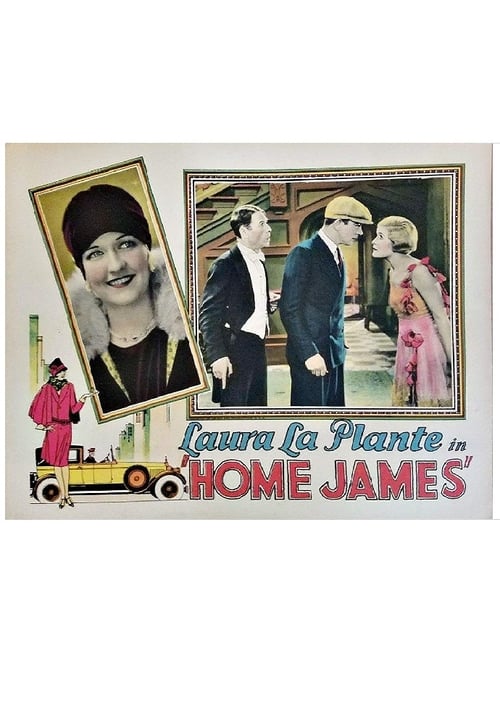
1928
No reviews yet. Be the first to share your thoughts on this movie!
Use the rating form above to leave a star rating and optional review.