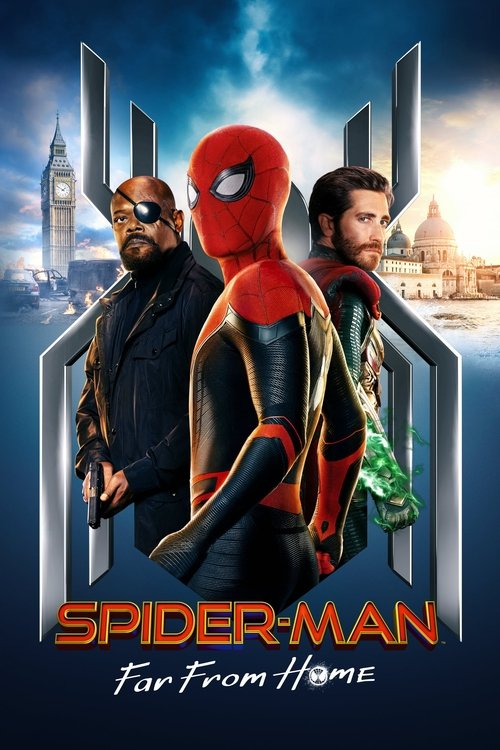
Spider-Man: Far From Home
2019
No user ratings available yet
Representation score: 6.8 out of 10

Representation Score
Good
2021
PG-13Director
Jon Watts
Runtime
148 minutes
Average Rating
No ratings yetNew Showbiz Analysis
Spider-Man: No Way Home treats Peter’s inability to let go as the central error. MJ erases her memory to save him, framing her sacrifice as the mature choice. Peter is left alone with the consequences. The closing image is Peter swinging away, free but isolated. The film sells the idea that letting go is the only way to heal.
Category Breakdown
No same-sex intimacy or queer characters appear. The romantic focus is strictly heterosexual between Peter and MJ. No subplot addresses sexual orientation or gender identity.
MJ serves as the moral anchor, deciding to erase her memory to protect Peter. Peter’s selfishness drives the chaos, while Strange’s competence contrasts his failure. The film treats Peter’s inability to let go as the central error.
The cast includes a Black lead (MJ) and a South Asian character (Ned). Race remains backgrounded; no specific ethnic conflict drives the plot. The villains are defined by personal grievances rather than cultural identity.
Family bonds are central, with May’s death as the emotional catalyst. The film critiques the pressure to be a hero before being emotionally ready. Magic functions as a secular ritual, with Strange acting as a priest figure maintaining order.
Doc Ock’s mechanical arms and Electro’s condition are treated as sources of power and identity. The film does not frame these impairments as tragedies but as extensions of self. No other lasting impairments are depicted.
Present on Screen
Limited or Absent
Official Synopsis
Peter Parker is unmasked and no longer able to separate his normal life from the high-stakes of being a super-hero. When he asks for help from Doctor Strange the stakes become even more dangerous, forcing him to discover what it truly means to be Spider-Man.
2019

2006

2017

2020

2018

2016

2015

2006
No reviews yet. Be the first to share your thoughts on this movie!
Use the rating form above to leave a star rating and optional review.