Tenchu!
1969
No user ratings available yet
Representation score: 4.0 out of 10
Representation Score
Fair
1973
Not RatedDirector
Yasuzō Masumura
Runtime
89 minutes
Average Rating
No ratings yetNew Showbiz Analysis
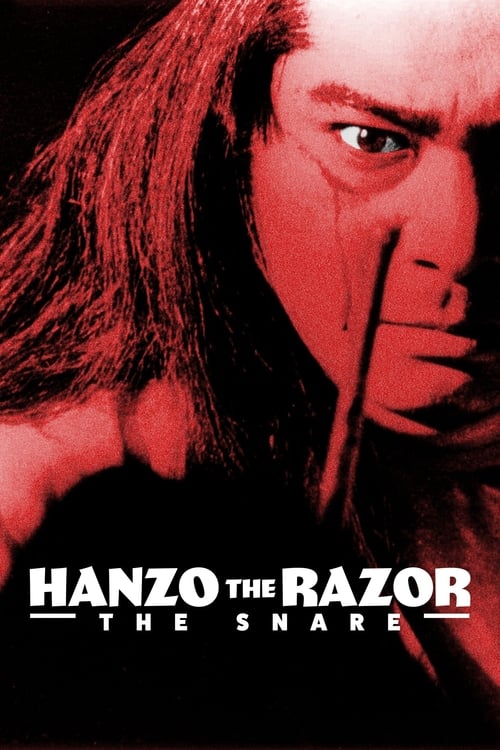
Hanzo the Razor: The Snare serves as a sharp critique of systemic authority rather than a platform for showcasing diverse identities. Its main strength lies in its cultural subversion, using the backdrop of the Edo period to dismantle the legitimacy of state institutions and economic structures. The film lacks explicit racial or LGBTQ+ representation, staying true to the demographic realities of its historical context. However, it excels in deconstructing traditional social norms and masculine archetypes through its protagonist's defiance. Ultimately, the work emphasizes individual ability to act against a corrupt system, positioning itself as a thematic study of power rather than a diverse ensemble piece.
Category Breakdown
The film does not explicitly depict non-straight or non-cisgender identities. While the director often explores unconventional desires and gender dynamics, there is no clear on-screen representation of specific LGBTQ+ identities.
The story challenges traditional gender roles by focusing on a protagonist who defies male authority. This character favors a more chaotic, individualistic role rather than conforming to the loyal servant archetype.
The cast is ethnically uniform, reflecting the historical setting without incorporating cross-cultural elements or casting actors from different backgrounds.
The film provides a nuanced critique of institutional stability. It portrays the Edo treasury as a symbol of societal decay, emphasizing moral relativism over the corrupt laws of the state.
There is no indication of the portrayal of physical or neurodivergent disabilities in the narrative.
Present on Screen
Limited or Absent
Official Synopsis
Against the backdrop of the Edo treasury devaluing currency and driving many into poverty, Hanzo Itami enforces the law without regard to status. He shows inadequate respect to the treasurer, who wants him dead.
1969
1966
2013

1972
2014
1961
2007
1978
No reviews yet. Be the first to share your thoughts on this movie!
Use the rating form above to leave a star rating and optional review.