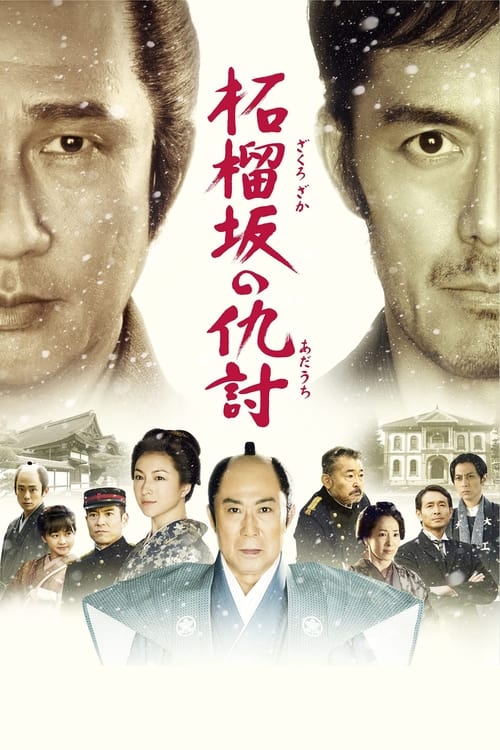
Snow on The Blades
2014
No user ratings available yet
Representation score: 1.8 out of 10
Representation Score
Minimal
2007
Director
Yoshimitsu Morita
Runtime
119 minutes
Average Rating
No ratings yetNew Showbiz Analysis
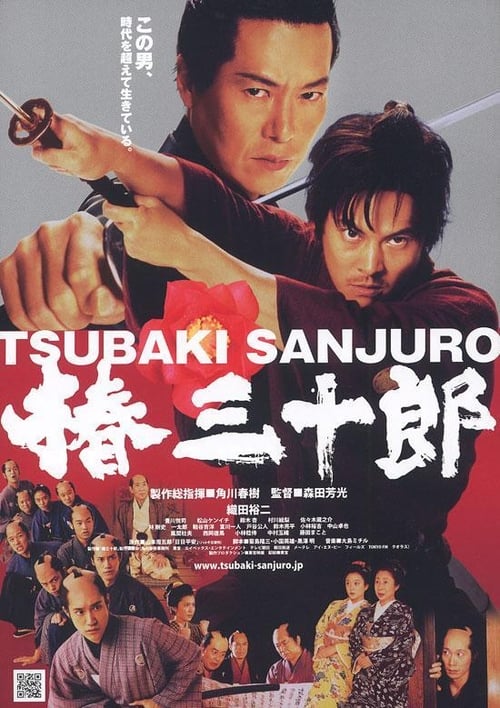
Tsubaki Sanjuro serves as a modern reimagining of the samurai epic, prioritizing style over social representation. While it challenges the traditional seriousness of the genre, it does not address existing social hierarchies. The film is deeply rooted in traditional masculine archetypes and historical homogeneity. It focuses on the physical abilities of the ronin and the breakdown of social order through a culturally specific lens. Overall, the film is a genre-focused piece that lacks complexity in representing diverse identities and gender roles, favoring historical authenticity and masculine bonds.
Category Breakdown
The film follows the traditional norms of the jidaigeki genre. It includes no characters with non-binary gender identities or same-sex romantic relationships.
The story centers on masculine honor and male swordsmanship within a patriarchal framework. Women are limited to traditional roles and are not given significant control over their own stories.
The casting is purposefully uniform to reflect the Edo-period setting. This maintains historical accuracy but does not include any ethnic or cultural diversity.
The story examines conflicts between different social classes and corrupt officials. It emphasizes individual honor and situational ethics without addressing broader ideological conflicts.
There are no characters with visible or invisible disabilities. Disability is not used as a narrative or symbolic element in the film.
Present on Screen
Limited or Absent
Official Synopsis
"Tsubaki Sanjuro" is a remake of Sanjuro (1962) by Akira Kurosawa. Sanjuro returns with sharper, faster, subtler sword, talking and perception. He uses them to settle the trouble and uses them good!
2014
1974
2013
1962
1961
1981
1969
1973
No reviews yet. Be the first to share your thoughts on this movie!
Use the rating form above to leave a star rating and optional review.