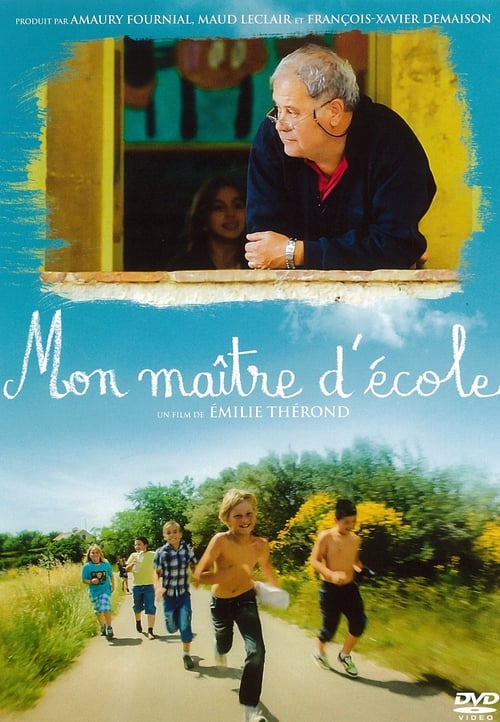
Mon maître d'école
2016
No user ratings available yet
Representation score: 7.4 out of 10

Representation Score
Fair
2002
Not RatedDirector
Nicolas Philibert
Runtime
104 minutes
Average Rating
No ratings yetNew Showbiz Analysis
Nicolas Philibert’s observational approach emphasizes humanistic dignity over fabricated narrative tension. Using a Direct Cinema method, the film captures the authentic lived experience of a mixed-age classroom in rural France. The work does not engage in challenging conventional views or identity politics, resulting in a lack of explicit representation for LGBTQ+ identities or diverse racial backgrounds. Instead, it reflects the specific geographic and historical context of its setting. Ultimately, the film's strength lies in its refusal to 'other' its subjects. It treats the diverse cognitive and emotional needs of the children as a natural part of the human experience.
Category Breakdown
The film focuses on the natural rhythms of a rural French primary school. There are no depictions of LGBTQ+ identities or stories that address the assumption that everyone is straight or cisgender.
Gender roles are shown through organic social development and spontaneous play. The central power dynamic is based on the relationship between the teacher and his students.
The cast reflects the demographics of a small, rural community. Although the community appears relatively uniform, the individuals are presented with personal depth and a significant role in driving the story.
The film presents a secular, humanist view of education and community life. It avoids religious dogma, focusing instead on the social dynamics within the classroom.
The documentary captures a range of neurodivergent behaviors and developmental paces. These are integrated into the classroom flow with dignity rather than used as plot devices.
Present on Screen
Limited or Absent
Official Synopsis
The documentary's title translates as "to be and to have", the two auxiliary verbs in the French language. It is about a primary school in the commune of Saint-Étienne-sur-Usson, Puy-de-Dôme, France, the population of which is just over 200. The school has one small class of mixed ages (from four to twelve years), with a dedicated teacher, Georges Lopez, who shows patience and respect for the children as we follow their story through a single school year.
2016

2010
1984

2000

2025

2020
1997

2011
No reviews yet. Be the first to share your thoughts on this movie!
Use the rating form above to leave a star rating and optional review.