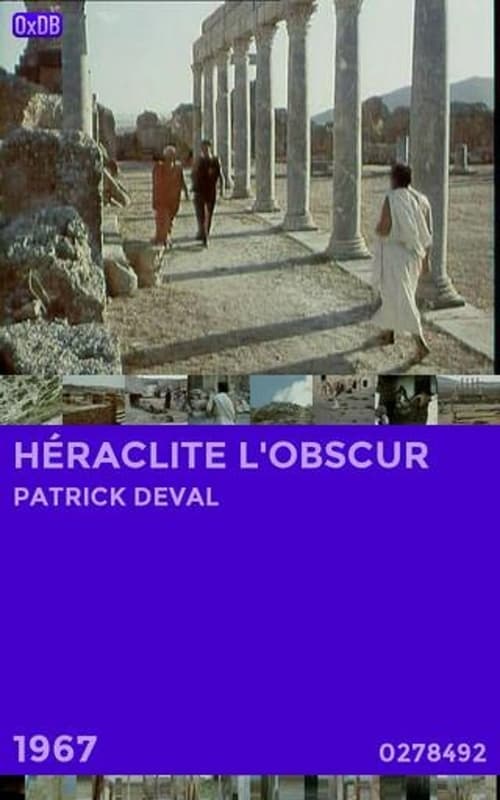
Heraclitus the Dark
1967
No user ratings available yet
Representation score: 5.7 out of 10
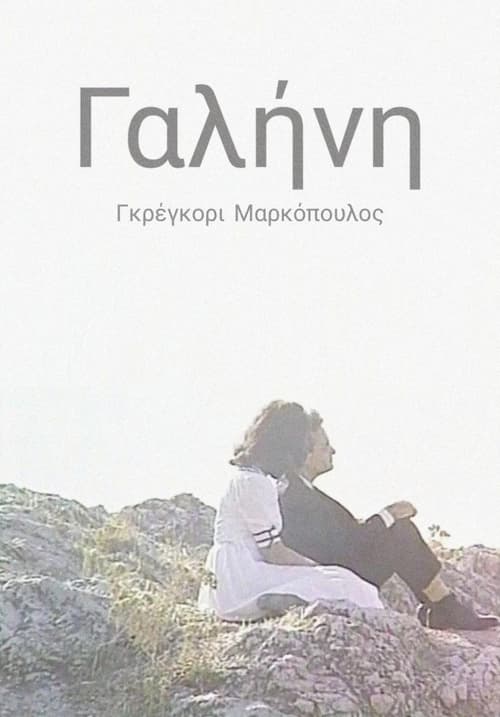
Representation Score
Fair
1961
Director
Gregory J. Markopoulos
Runtime
70 minutes
Average Rating
No ratings yetNew Showbiz Analysis
Serenity operates as a formalist rebellion against the systemic constraints of 1961 mainstream cinema. Because it functions as a visual poem rather than a character-driven drama, traditional metrics of ability to act and plot-driven representation do not apply. The film's strength lies in its ability to dismantle traditionalist frameworks through its radical deconstruction of cinematic grammar. It offers a proto-postmodern experience that prioritizes subjective truth over institutionalized storytelling. While the work lacks explicit character-driven inclusion, its structural subversion provides a meaningful departure from the narrow focus on straight relationships and capitalist models of its era.
Category Breakdown
The film's experimental nature leaves specific depictions of queer identity unconfirmed. However, it rejects the straight-centered narrative clichés common in 1960s cinema, offering a structural critique.
The film avoids traditional gender hierarchies by eschewing hero and heroine archetypes. Its focus on abstract imagery disrupts conventional portrayals of male dominance or female submissiveness.
Filming in Greece shifts the visual focus away from the Anglo-Saxon hegemony typical of mid-century American cinema. This Mediterranean orientation provides a departure from the era's prevalent white domesticity.
The work subverts Western narrative linearity and capitalist storytelling efficiency. It prioritizes subjective, non-linear perception over the ordered reality and moralistic messaging of traditional institutions.
There is no verifiable evidence of characters with visible or invisible disabilities. The film's focus on abstract form precludes the use of disability as a narrative device.
Present on Screen
Limited or Absent
Official Synopsis
Originally edited in two versions. Version I, 70 minutes; version II, 90 minutes. (The only known existing version is not Markopoulos’s edit and contains additional titles, music and voice-over added later than 1961. 65 minutes.) Filmed in Mytilene and Annavysos, Greece, 1958. Existing copy on video, J. and M. Paris Films, Athens.
1967
1995
1972
1975
2019
2012
1980
2014
No reviews yet. Be the first to share your thoughts on this movie!
Use the rating form above to leave a star rating and optional review.