Serenity
1961
No user ratings available yet
Representation score: 5.2 out of 10
Representation Score
Fair
1967
Director
Patrick Deval
Runtime
20 minutes
Average Rating
No ratings yetNew Showbiz Analysis
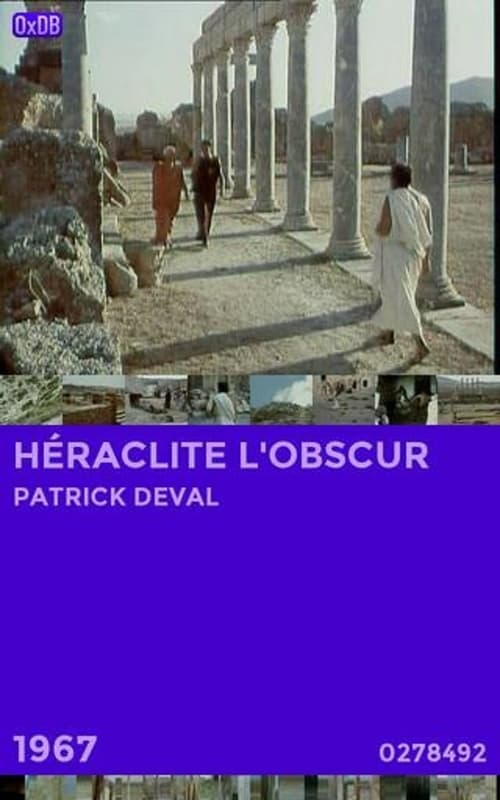
Heraclitus the Dark serves as a film that challenges the traditional boundaries of 1960s cinema by relocating philosophical discourse to a North African setting. This move complicates the usual Western-centric viewpoint found in historical epics. The film’s strength lies in its attempt to deconstruct Eurocentric norms through its location and genre, embracing a more globalized perspective. However, the film lacks specific representations of multi-layered identities, such as LGBTQ+ characters or individuals with disabilities. The diversity remains primarily structural and geographic rather than character-driven.
Category Breakdown
The film does not include any explicit LGBTQ+ identities or same-sex relationships. Although the bohemian setting hints at an avant-garde atmosphere, there are no overtly queer storylines.
The film focuses more on intellectual discourse than on traditional masculine action clichés. This emphasis allows for the subversion of conventional gender roles, particularly by elevating the role of intelligent female characters.
By filming in Tunisia, the movie breaks the Eurocentric dominance typical of 1960s historical dramas. This choice brings a non-Western landscape into the epic, promoting a more globalized perspective.
The film centers on subjective morality and existential questions rather than strict religious narratives. This focus leans towards secularism and moral relativism within the historical genre.
There is no evidence regarding the portrayal of physical or neurodivergent disabilities in the film.
Present on Screen
Limited or Absent
Official Synopsis
Deval shot “Héraclite l’obscur” in Tunisia in 1967, with his then-girlfriend and editor Jackie Raynal, in 35 mm and in color. He was the first Zanzibar member to shoot a film not only outside of Paris but also in an exotic location. “Héraclite l’obscur” is described by its author as a “philosophical peplum”. – spectacle theater
1961
1954
1976
1972
1973
1972
1970
2014
No reviews yet. Be the first to share your thoughts on this movie!
Use the rating form above to leave a star rating and optional review.