Pàtria
2017
No user ratings available yet
Diversity score: 3.7 out of 10
2016
Director
Román Parrado
Runtime
80 minutes
Average Rating
No ratings yetSynopsis
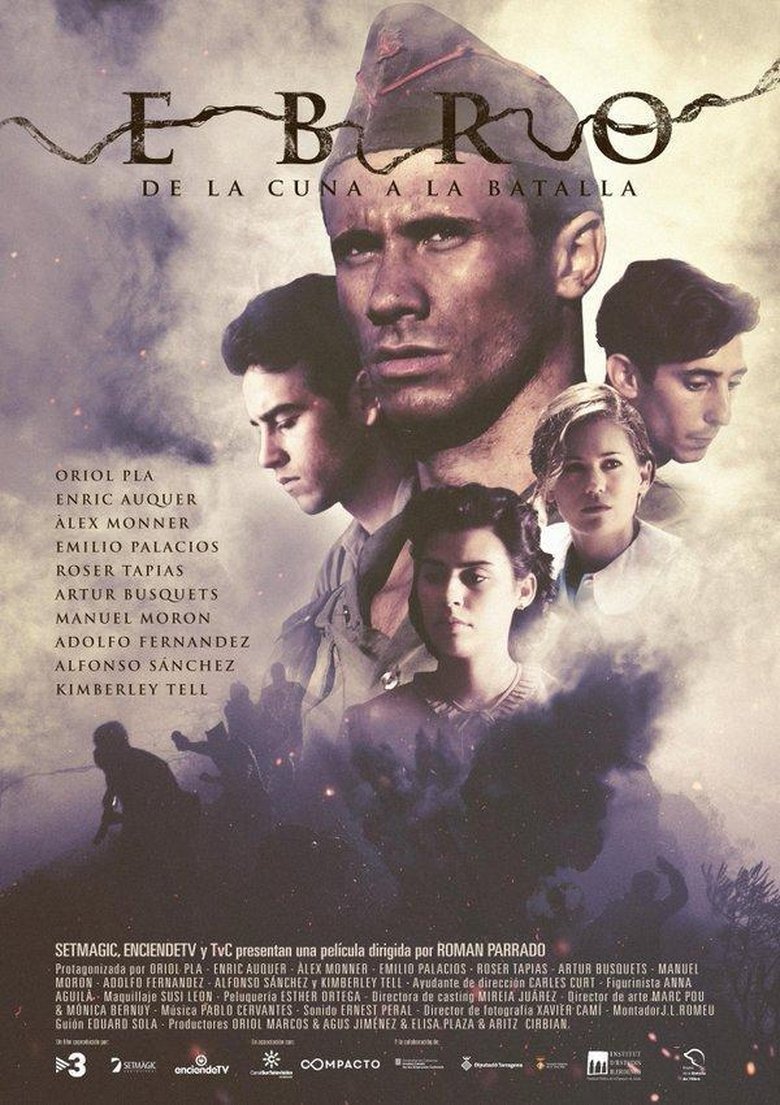
In 1938 the Spanish Civil War has worn both armies and destroyed the mood of the people of both sides. The differences between national Republicans however are revealing: The fascist side has the unconditional support of arms and men facilitated by Hitler and Mussolini while the Republican army is ignored by a Europe more concerned of a possible World War than the fate of Spain. Thousands of young people between 17 and 18 rows are called by the republican army. These are the main characters, four young for whom the Battle of the Ebro will be the first direct contact with the war. This film tells the story of these young people forced to leave behind innocence and into whistling bullets.
Overall Score
Fair
Category Breakdown
LGBTQ+ Representation
The film lacks explicit mention of LGBTQ+ characters or non-heteronormative identities. While historical dramas often use subtext to address these themes, there is no visible representation present.
Gender Representation
The story centers on young people drafted into the Republican army. While women historically served in militia roles, the narrative focuses broadly on the youth experience during the conflict.
Racial & Ethnic Diversity
The cast focuses on the local Spanish population during a domestic struggle. The score reflects the era's demographic homogeneity despite the potential presence of international volunteers.
Religious & Cultural Diversity
The film critiques Western power structures and the indifference of European powers. It frames the Republican struggle as a fight against oppressive, state-sponsored fascist hierarchies.
Disability Representation
There is no evidence regarding the depiction of physical or neurodivergent disabilities. Consequently, no representation is identified in the narrative.
Strengths
Areas for Improvement
AI Analysis
Román Parrado’s drama offers a poignant critique of systemic neglect during the Spanish Civil War. By centering on adolescents thrust into combat, the film highlights the human cost of geopolitical indifference. The narrative succeeds in its cultural analysis, challenging the complicity of international institutions. It effectively uses a historical lens to explore the struggle of the marginalized against well-funded, traditionalist forces. However, the film lacks overt contemporary identity-based representation. The focus remains on the collective experience of youth and political struggle rather than specific individual identity markers.
2017
2020

1950
2017

1975

2008
2014
2021
2022
1945
No reviews yet. Be the first to share your thoughts on this movie!
Use the rating form above to leave a star rating and optional review.