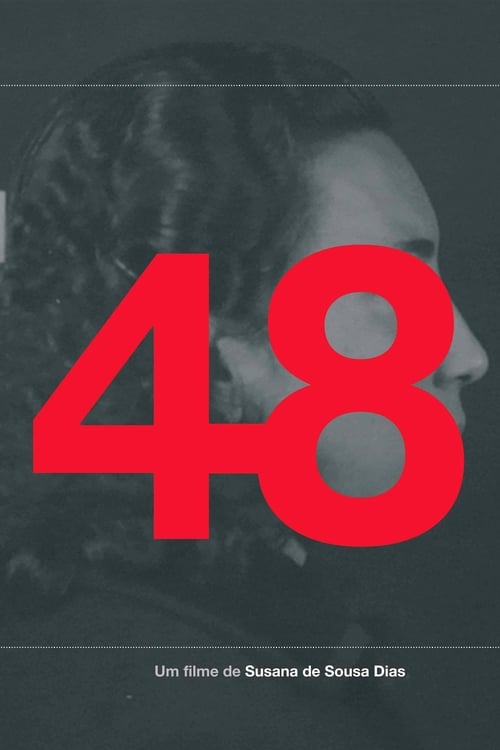
48
2010
No user ratings available yet
Representation score: 8.6 out of 10
Representation Score
Limited
2017
Director
Susana de Sousa Dias
Runtime
76 minutes
Average Rating
No ratings yetNew Showbiz Analysis
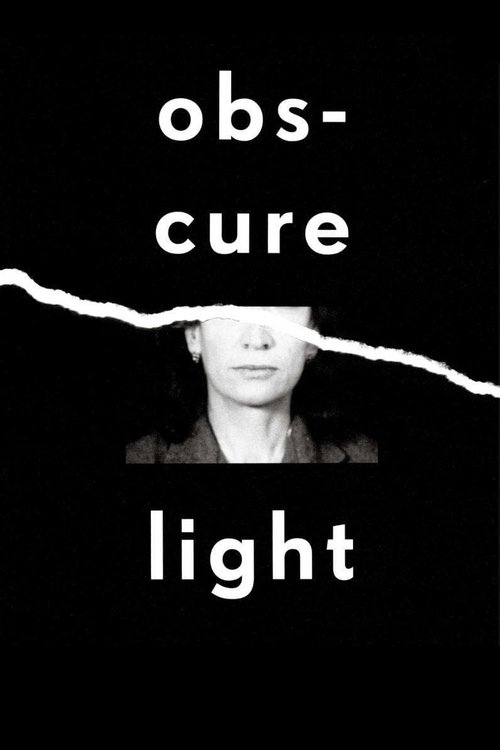
Luz Obscura is a sophisticated historical revisionist documentary that challenges state dominance. By combining archival police photographs with oral histories, it disrupts official records to highlight fragmented personal experiences. The film effectively dismantles the authority of the Salazar regime. It explores the psychological impact of political oppression on a family through the concept of 'broken identity'. While the film does not focus on contemporary identity politics such as sexual orientation or disability, it aligns with progressive documentary traditions by centering those underrepresented by state power.
Category Breakdown
The film does not explicitly address LGBTQ+ identities. Instead, it focuses on political affiliations and the resulting family trauma.
The film moderately represents women by highlighting the domestic and emotional labor of a deceased activist's family members. This approach underscores the impact of political persecution on families.
As a Portuguese production, the film centers on domestic political history. It uses state identity photos to examine how the regime categorized individuals, but the focus is primarily political rather than racial.
The documentary strongly critiques traditional Western institutional power. It portrays the Salazar dictatorship and its police force as oppressive, emphasizing the perspectives of those underrepresented by the regime.
The film does not document any portrayal of physical or neurodivergent disabilities within its narrative.
Present on Screen
Limited or Absent
Official Synopsis
Mingling identity photos taken by the Portuguese political police during the Salazar dictatorship and testimonies from the children of an assassinated communist activist, Luz Obscura invents a form that recreates as faithfully as possible the feeling of a family's broken identity.
2010

2017

2017
2019

2003

2012
2017
2014
No reviews yet. Be the first to share your thoughts on this movie!
Use the rating form above to leave a star rating and optional review.