Find another title
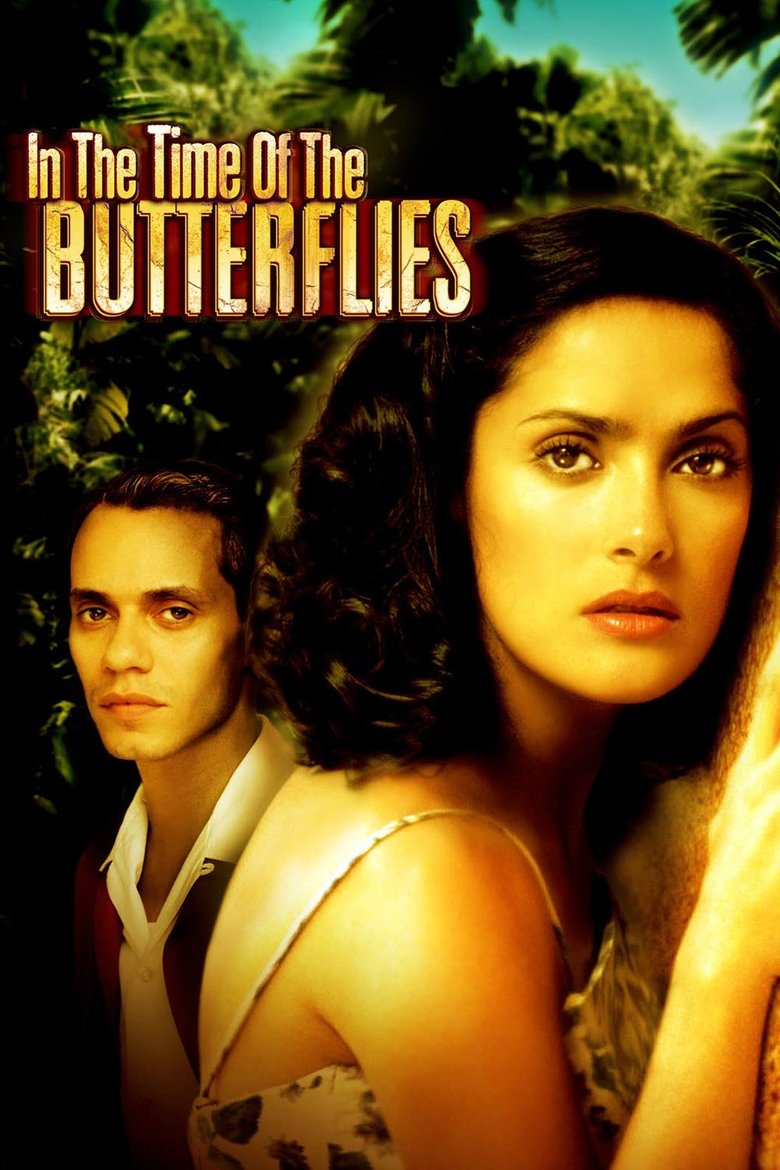
In the Time of the Butterflies
2001
PG-13Director
Mariano Barroso
Runtime
95 minutes
Average Rating
No ratings yetSynopsis
Based on the book by Julia Alvarez. Three sisters become activists during the Dominican Republic's Trujillo regime when members of their family are killed by the government's troops.
Where to Watch
Diversity & Representation
Overall Score
Good
Category Breakdown
LGBTQ+ Representation
The film adheres to the heteronormative social structures of 1960s Dominican society. There is no discernible presence of queer subtext or non-cisnormative identities within the character arcs.
Gender Representation
The narrative centers entirely on female agency, moving the sisters from domestic spheres into political leadership. They act as the primary drivers of the plot rather than passive victims.
Racial & Ethnic Diversity
A predominantly Dominican/Hispanic cast ensures the story is not filtered through an Anglo-centric lens. This centering of a non-white, post-colonial struggle provides a deep sense of ethnic identity.
Religious & Cultural Diversity
The film portrays the Trujillo regime as a corrupt, traditionalist structure. While Catholicism is a significant element, it is presented with nuance as it clashes with political necessities.
Disability Representation
There is no significant focus on visible or invisible disabilities. Characters are defined by their political agency and familial roles rather than physical or neurodivergent experiences.
Strengths
- The film provides a profound subversion of gender hierarchies by centering female agency and political leadership.
- Authentic casting and a focus on post-colonial struggle prevent an Anglo-centric perspective.
- The narrative explores complex themes of morality and systemic injustice under an oppressive regime.
Areas for Improvement
- The film lacks any representation of LGBTQ+ identities or queer subtext.
- There is no significant focus on characters with physical or neurodivergent disabilities.
AI Analysis
This adaptation of Julia Alvarez’s work succeeds by centering marginalized voices within a historical framework of resistance. It effectively subverts traditional gender hierarchies by positioning the Mirabal sisters as tactical leaders against a patriarchal dictatorship. The film achieves high authenticity through its casting and its refusal to view the Dominican struggle through a Western lens. It treats the political upheaval with psychological weight and historical realism. However, the narrative remains strictly bound to the social norms of its era, lacking representation for LGBTQ+ identities or characters with disabilities.
Rate this Movie
Reviews
No reviews yet. Be the first to share your thoughts on this movie!
Use the rating form above to leave a star rating and optional review.