Two Streams
1999
No user ratings available yet
Representation score: 6.3 out of 10
Representation Score
Fair
1984
Director
Jacobo Penzo
Runtime
90 minutes
Average Rating
No ratings yetNew Showbiz Analysis
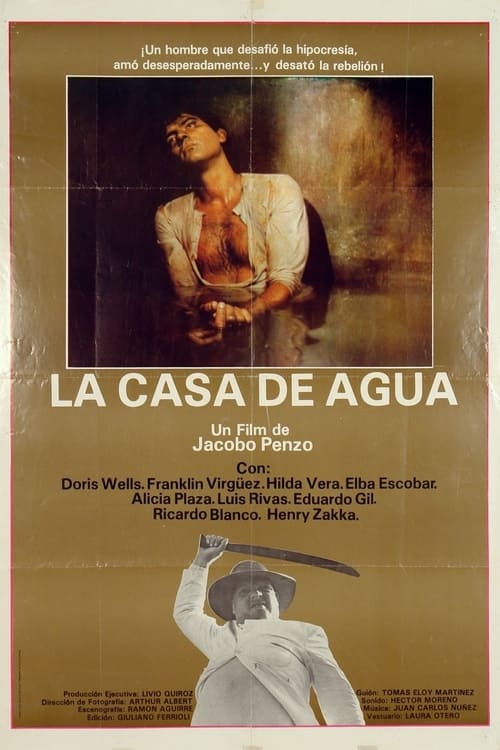
The House of Water succeeds as a piece of regional storytelling that prioritizes Venezuelan identity over Western-centric political clichés. By centering the struggle within a specific fishing village and a localized historical context, the film asserts a strong sense of cultural ability to act and non-Western perspective. However, the film's diversity is limited by its narrow focus on a male protagonist and a lack of visible LGBTQ+ representation. The narrative structure appears heavily weighted toward patriarchal political structures, even if the protagonist seeks to subvert them. Ultimately, the film is a study in systemic critique. It trades individualistic social climbing for communal resistance, making it a culturally significant work despite its lack of broad characters who reflect more than one aspect of diversity.
Category Breakdown
The film does not explicitly address queer identities or themes that go beyond the assumption that everyone is straight. The story focuses on the protagonist's political and family journey set in the 1920s.
The story revolves around a male protagonist who navigates through patriarchal military structures. However, his rejection of mainstream status-seeking offers a potential challenge to traditional masculine drives for power.
The film highlights Venezuelan identity by centering a narrative from Venezuela. It avoids Anglo-centric models by focusing on a localized struggle within an isolated fishing village.
The film critiques traditional power and state authority through its depiction of a military dictatorship. It favors a localized, collectivist moral framework over Western-style meritocratic advancement.
There is no information available regarding characters with visible or invisible disabilities.
Present on Screen
Limited or Absent
Official Synopsis
Set in the 1920s in Venezuela, this political melodrama by Jacobo Penzo follows the decision of the fictional Cruz Elías León (Franklin Virguéz), a young Venezuelan poet, to give up a life of social and possibly mainstream political advancement to go back to his home and family in an isolated fishing village and combat the despotic military dictator in charge of the country.
1999
1964
2001
2011
1996
1959

1969
1993
No reviews yet. Be the first to share your thoughts on this movie!
Use the rating form above to leave a star rating and optional review.