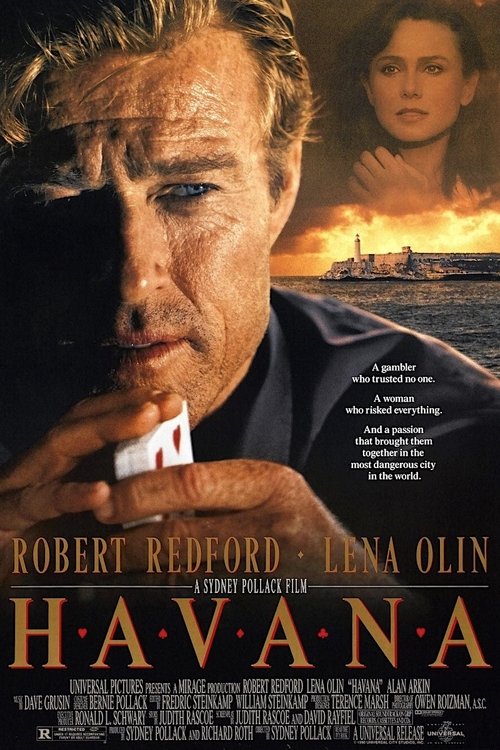
Havana
1990
No user ratings available yet
Representation score: 3.8 out of 10

Representation Score
Fair
2005
RDirector
Andy Garcia
Runtime
144 minutes
Average Rating
No ratings yetNew Showbiz Analysis
The Lost City is a sophisticated historical drama that prioritizes non-Western perspectives. It excels by focusing on the Cuban experience and the complexities of the diaspora, moving away from traditional Hollywood clichés. However, the film remains conservative regarding social identities. It adheres to the patriarchal and straight-centered structures of its mid-century setting, offering little representation for LGBTQ+ individuals or significant gender subversion. Ultimately, the film's strength lies in its cultural and ethnic authenticity. It provides a deep, character-driven exploration of a society in transition, making it a vital piece of Latin American storytelling.
Category Breakdown
The film centers on the Cuban Revolution and family dynamics but does not include visible LGBTQ+ identities or narratives that question heterosexuality.
Women play key roles in navigating social and political challenges, but their influence is often limited to domestic life. The film reflects the patriarchal norms of 1950s Cuba without challenging these roles.
The film stands out for its authentic portrayal of a predominantly Latino cast, disrupting Anglo-centric views by delving into racial and class hierarchies within a non-Western context.
The narrative explores themes of systemic corruption and political instability, contrasting Western ideals of stability with the volatile reality of Cuban sovereignty and revolutionary changes.
There is no significant depiction of visible or invisible disabilities in the film.
Present on Screen
Limited or Absent
Official Synopsis
In Havana, Cuba in the late 1950's, a wealthy family, one of whose sons is a prominent nightclub owner, is caught in the violent transition from the oppressive regime of Batista to the Marxist government of Fidel Castro. Castro's regime ultimately leads the nightclub owner to flee to New York.
1990

1964
1968
1992

1996
2004
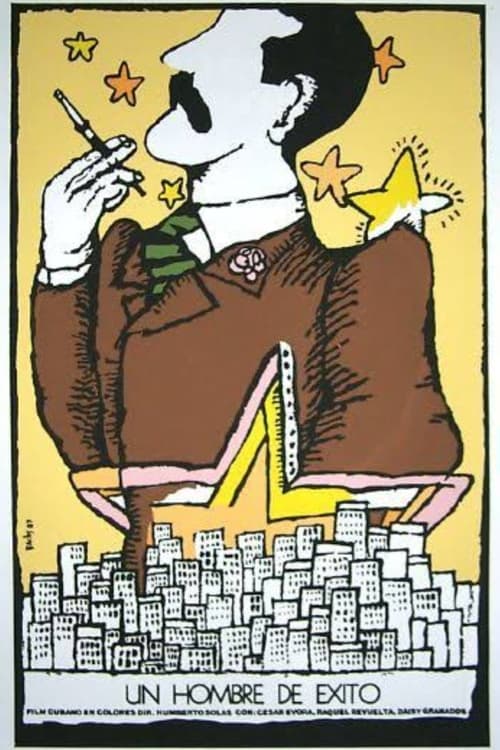
1986

2000
No reviews yet. Be the first to share your thoughts on this movie!
Use the rating form above to leave a star rating and optional review.